English
- English
- Español
- Português
- русский
- Français
- 日本語
- Deutsch
- tiếng Việt
- Italiano
- Nederlands
- ภาษาไทย
- Polski
- 한국어
- Svenska
- magyar
- Malay
- বাংলা ভাষার
- Dansk
- Suomi
- हिन्दी
- Pilipino
- Türkçe
- Gaeilge
- العربية
- Indonesia
- Norsk
- تمل
- český
- ελληνικά
- український
- Javanese
- فارسی
- தமிழ்
- తెలుగు
- नेपाली
- Burmese
- български
- ລາວ
- Latine
- Қазақша
- Euskal
- Azərbaycan
- Slovenský jazyk
- Македонски
- Lietuvos
- Eesti Keel
- Română
- Slovenski
- मराठी
- Srpski језик

Sluice Gate Axial Flow Pumps Gain Attention as Cities Upgrade Flood Control and Drainage Systems
With heavier rainfall events placing greater pressure on urban drainage systems, many cities are reassessing how existing flood control and pumping infrastructure should respond to sudden changes in water levels.
Traditional drainage pumping stations often rely on separate sluice gates, channels and pumping equipment. This arrangement can work well where sufficient land and construction space are available, but it can become difficult to expand in densely developed urban areas, riverfront zones and existing water-control facilities.
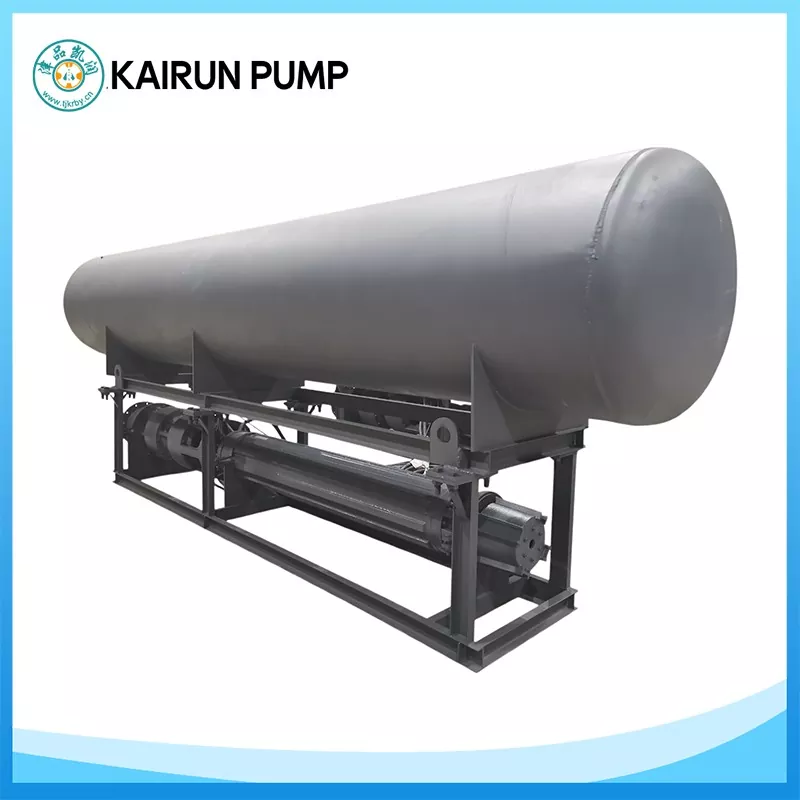
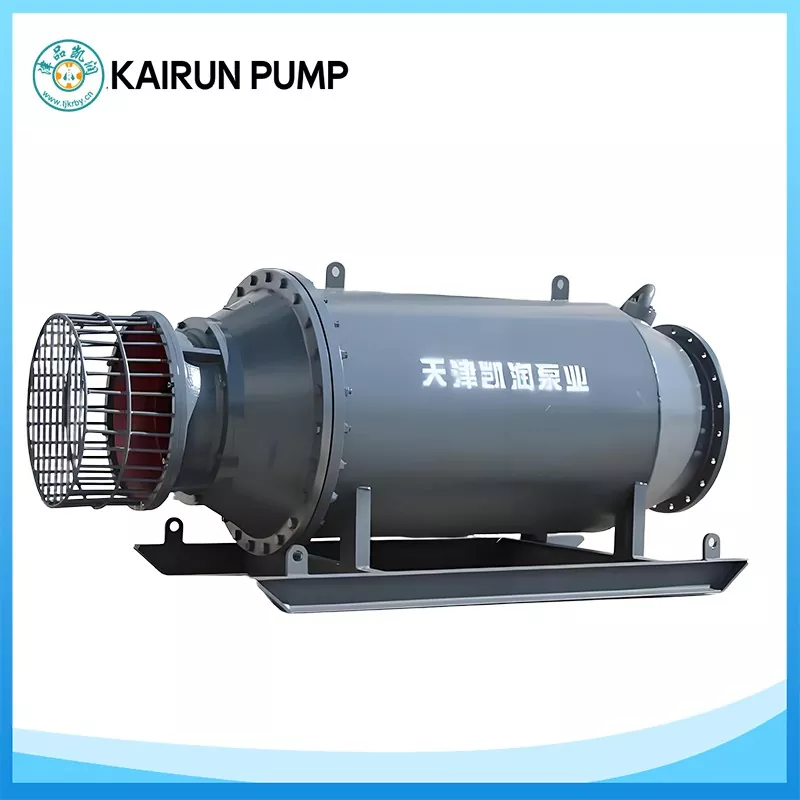
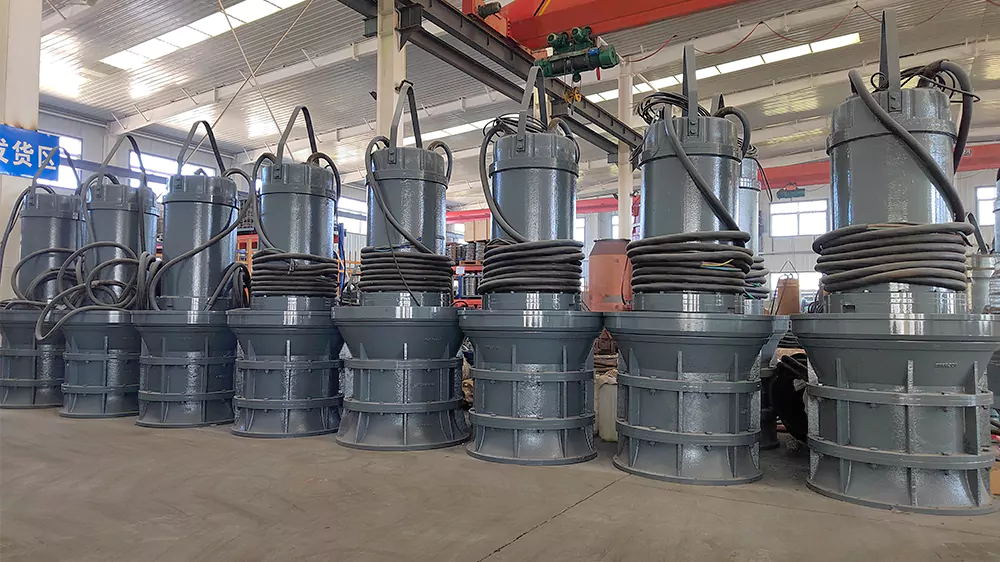
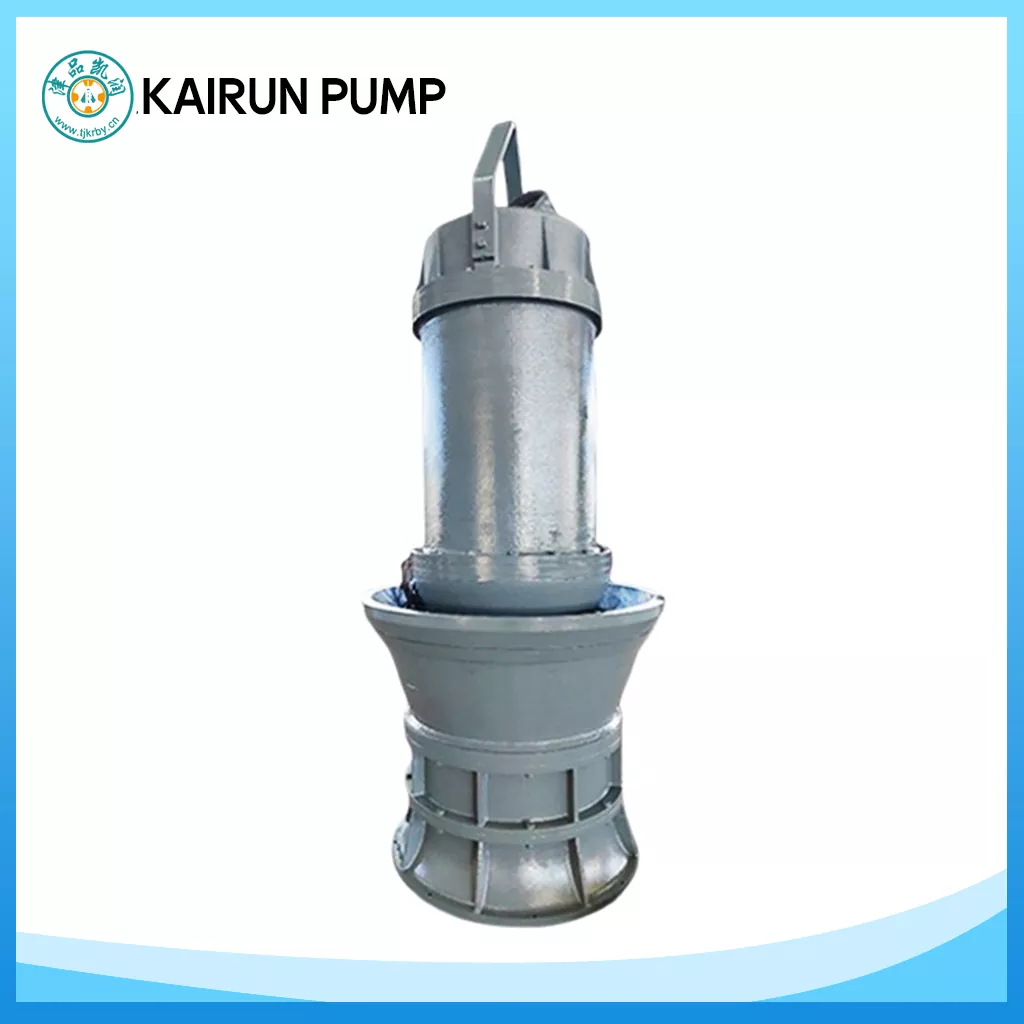
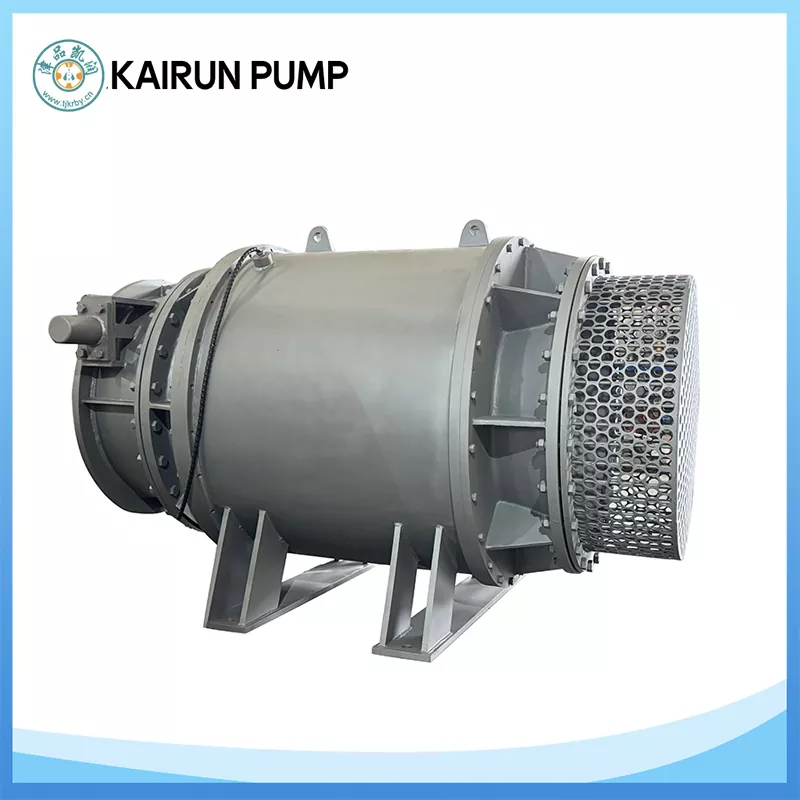
Against this background, the Sluice Gate Axial Flow Pump is attracting increasing attention for flood control, river drainage and water transfer projects. By combining the sluice gate and axial flow pumping function into one integrated unit, the equipment provides another option for projects that need both gravity drainage and forced pumping within a limited footprint.
Why Pumping Stations Are Moving Toward Integrated Equipment?
A conventional pumping station normally needs separate structures for water gates and pumps. During normal water levels, the gate controls water flow. When the water level rises beyond the natural drainage capacity, pumps are started to increase the discharge capacity.
The principle is straightforward, but the civil construction requirements can be substantial.
Separate gate structures, pump chambers, channels, electrical equipment and maintenance areas all require additional space. For a new large-scale project, this may be manageable. For an existing drainage facility located beside a river, reservoir, industrial park or urban road, however, expanding the site can be much more complicated.
An integrated sluice gate pump changes the equipment arrangement.
Instead of treating the gate and pump as two independent systems, the Sluice Gate Axial Flow Pump combines their functions into one integrated unit. This allows water to pass through the system by gravity when hydraulic conditions permit, while the pump can provide additional lifting capacity when natural discharge is insufficient.
For projects where land availability and construction time are major concerns, this configuration can reduce the amount of supporting civil construction required.
Gravity Drainage for Normal Conditions, Pumping Capacity When Water Levels Rise
One of the practical advantages of a sluice gate axial flow pump is its ability to operate under different drainage conditions.
During normal operation, when the downstream water level is suitable, gravity drainage can be used without relying on continuous motor operation. This can help reduce unnecessary energy consumption and simplify daily water-level regulation.
During heavy rainfall, high river levels or flood events, gravity drainage may no longer provide enough discharge capacity. The pumping function can then be activated to move a larger volume of water through the system.
This operating concept is particularly relevant to drainage facilities where water conditions change significantly between normal and emergency periods.
For example, an urban drainage station may normally handle rainwater through gravity discharge. When a storm causes the river level to rise and restricts natural outflow, the pumping function becomes the primary means of maintaining drainage capacity.
The same principle can be applied to farmland drainage, reservoir water transfer and industrial water-control systems.
Compact Pump Station Design Matters in Existing Infrastructure
For new flood control projects, the availability of construction land can often be incorporated into the initial design. Existing facilities face a different problem.
A pumping station may already be surrounded by roads, buildings, river embankments, industrial facilities or other hydraulic structures. Adding a new pump chamber or expanding an existing station can require excavation, demolition, pipeline modification and lengthy civil works.
This is where integrated equipment can offer a practical advantage.
The Sluice Gate Axial Flow Pump is designed to combine water-control and pumping functions within a compact structure. According to the equipment design, the integrated configuration can reduce the required installation footprint by more than 40% compared with conventional arrangements in applicable projects.
For engineering contractors and water conservancy project owners, the benefit is not simply saving floor space. A smaller equipment arrangement can also influence excavation volume, supporting structures, installation work and project scheduling.
In retrofit projects, these factors can have a direct impact on project feasibility.
Axial Flow Pump Design Fits Large-Volume, Low-Head Water Transfer
Axial flow pumps are commonly selected for applications where large quantities of water need to be moved under relatively low head conditions.
This makes the configuration suitable for many flood control and water-transfer applications where the objective is not to lift water to a high elevation, but to move a large volume quickly through a drainage or water-control facility.
The Kairun Sluice Gate Axial Flow Pump is available for flow capacities ranging from approximately 1,000 to 50,000 m³/h, with head ranges of 3–20 m across the listed models.
This range allows project engineers to select equipment according to the required drainage capacity, hydraulic head and installation conditions rather than using the same pump configuration for every project.
For large drainage systems, the relationship between flow capacity and head is particularly important. A pump that provides high flow but does not match the actual hydraulic head may not deliver the expected system performance. Therefore, pump selection should be based on the complete hydraulic calculation rather than flow rate alone.
Where Sluice Gate Axial Flow Pumps Can Be Used
The integrated configuration is relevant to several types of water-control projects.
Urban Flood Control and Drainage
Urban flood control stations need to respond quickly when rainfall exceeds the capacity of natural drainage channels.
A sluice gate axial flow pump can provide gravity discharge during suitable conditions and forced pumping during heavy rainfall or high downstream water levels. This makes it suitable for drainage stations located near rivers, lakes and flood-prone urban areas.
River and Reservoir Water Transfer
Water levels on both sides of a hydraulic structure may vary throughout the year. An integrated gate-pump system can support controlled water transfer while reducing the need for separate gate and pump structures.
Agricultural Drainage and Irrigation
Low-lying farmland often requires drainage during the rainy season and water transfer during dry periods.
The ability to use gravity flow when conditions permit and pumping when additional capacity is needed can make the equipment suitable for agricultural water-management systems.
Coastal and Tidal Drainage
Coastal drainage systems face a specific challenge: the external water level can become higher than the internal drainage level during high tide or storm conditions.
When gravity discharge is restricted, pumping becomes necessary. An integrated gate-pump arrangement can therefore be considered for tidal protection and stormwater drainage facilities.
Industrial Park Drainage
Industrial parks and large production sites often have limited space for water-control infrastructure. The equipment can be used for rainwater collection, drainage and water circulation where large water volumes must be handled within a relatively compact installation area.
What Should Buyers Check Before Selecting an Integrated Gate Pump?
The equipment configuration is only one part of a successful pumping project. Before placing an order, engineering teams should evaluate the actual site conditions.
1. Required Flow Capacity
Determine the design drainage flow rather than selecting a pump based only on the maximum possible rainfall or the nominal pipe size.
2. Actual Pumping Head
The difference between upstream and downstream water levels, together with hydraulic losses, determines the actual head requirement. This directly affects pump selection and motor power.
3. Normal and Emergency Operating Conditions
If the project needs gravity drainage during normal conditions and forced pumping during floods, the transition between the two operating modes should be clearly defined in the system design.
4. Sediment and Debris Conditions
River water, floodwater and agricultural drainage may contain sand, sediment, leaves and other debris. These conditions should be considered when selecting materials, sealing components and maintenance intervals.
5. Corrosion Environment
Coastal projects and industrial drainage systems can expose equipment to corrosive water. Material selection and surface protection should therefore be evaluated according to the actual water quality.
6. Installation Space
For retrofit projects, the available installation opening, water channel dimensions, maintenance access and electrical connection conditions should be confirmed before manufacturing.
Manufacturing Control Is Important for Large Water-Control Equipment
For a large integrated pump system, performance depends on more than the motor and impeller.
The gate structure, sealing surfaces, rotating components, mechanical connections and corrosion-resistant materials all have to work together under changing hydraulic conditions.
Manufacturing accuracy is particularly important around sealing and rotating components. Poor alignment or inadequate sealing can lead to leakage, vibration and premature wear after installation.
For this reason, buyers should look beyond the basic pump specification and ask the manufacturer for information about:
- Material grades for the gate, pump body and wetted components
- Shaft and impeller manufacturing accuracy
- Sealing structure and replacement method
- Factory performance testing
- Motor protection and electrical configuration
- Installation dimensions and foundation requirements
- Spare parts availability
- Recommended inspection and maintenance intervals
These details are often more useful for project procurement than simply comparing motor power or purchase price.
Kairun Develops Integrated Pump Solutions for Water-Control Projects
Kairun's Sluice Gate Axial Flow Pump is designed around the requirements of drainage, flood control and water-transfer projects where both water regulation and pumping capacity are required.
The current product range covers approximately 1,000–50,000 m³/h flow capacity and 3–20 m head, with models configured for gravity drainage and forced pumping.
The equipment uses an integrated gate-and-pump structure, with corrosion-resistant materials and sealing components designed for water-control environments. Its compact configuration is particularly suited to projects where conventional separated gate and pumping structures would require significant additional space.
For project owners, engineering contractors and pump distributors, the key question is not simply whether an axial flow pump can move water. It is whether the complete equipment arrangement can fit the site's hydraulic conditions, available space, operating requirements and maintenance plan.
As cities continue upgrading drainage networks and flood-control infrastructure, integrated water-control equipment is likely to become an increasingly practical option for new installations and selected pumping station retrofit projects.
Related News
- What Makes Tubular Pump Selection So Critical for High-Flow Water Projects?
- What Makes Vertical Axial Flow Pump the Right Choice for High-Flow Water Projects?
- How Can a Motor Control Center Solve Pump System Downtime and Energy Waste?
- How Can Water Pump Control Valve Prevent Costly Pump System Failures?
- How Can Water Pump Accessories Reduce Pump Downtime?
- What Makes a Submersible Pump the Better Choice for Demanding Water Projects?
Leave me a message