English
- English
- Español
- Português
- русский
- Français
- 日本語
- Deutsch
- tiếng Việt
- Italiano
- Nederlands
- ภาษาไทย
- Polski
- 한국어
- Svenska
- magyar
- Malay
- বাংলা ভাষার
- Dansk
- Suomi
- हिन्दी
- Pilipino
- Türkçe
- Gaeilge
- العربية
- Indonesia
- Norsk
- تمل
- český
- ελληνικά
- український
- Javanese
- فارسی
- தமிழ்
- తెలుగు
- नेपाली
- Burmese
- български
- ລາວ
- Latine
- Қазақша
- Euskal
- Azərbaycan
- Slovenský jazyk
- Македонски
- Lietuvos
- Eesti Keel
- Română
- Slovenski
- मराठी
- Srpski језик

What Makes Submersible Axial Flow Pumps the Right Choice for High-Flow Water Transfer?
Abstract: Choosing pumping equipment for drainage, irrigation, flood control, or circulating water systems is rarely just about moving water from one point to another. Buyers often struggle with flow demand, head requirements, installation space, energy cost, maintenance pressure, and long-term reliability. This article explains where Submersible Axial Flow Pumps fit, why they are preferred in low-head and large-volume applications, what problems they solve better than many conventional options, and how to evaluate them with fewer costly mistakes. It also offers a practical selection framework for engineers, contractors, distributors, and project owners who need a clearer purchasing decision.
Table of Contents
- Outline
- What are Submersible Axial Flow Pumps and where are they used?
- Why do buyers struggle when selecting high-flow pumps?
- What advantages make this pump type stand out?
- How do they compare with other pump options?
- Which selection factors matter most before ordering?
- What project scenarios benefit the most?
- How can users protect performance over time?
- FAQ
Outline
- Definition and working principle
- Common buyer concerns and hidden procurement risks
- Core product strengths for low-head, high-flow transfer
- Side-by-side comparison with other pump categories
- Selection checklist for project matching
- Typical applications in municipal, agricultural, and industrial systems
- Maintenance guidance and lifecycle thinking
- Frequently asked questions
What are Submersible Axial Flow Pumps and where are they used?
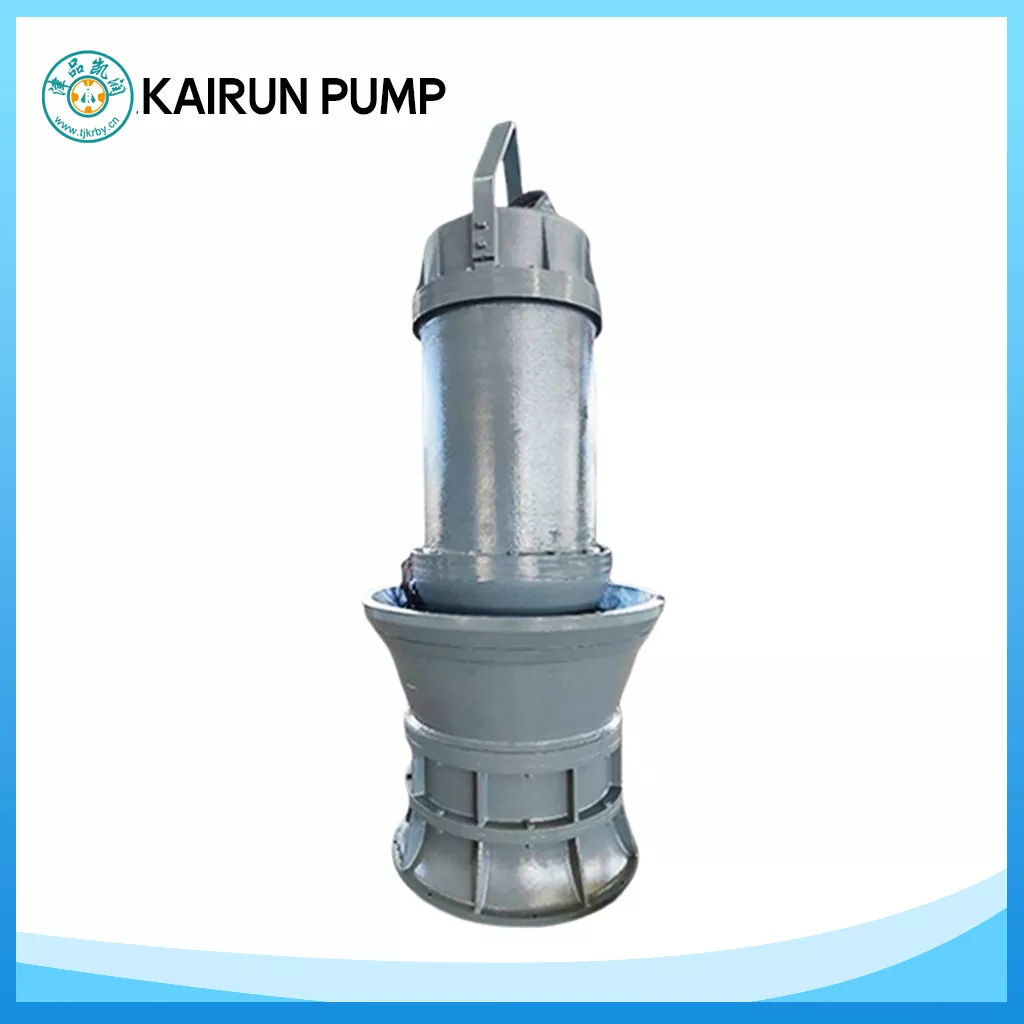
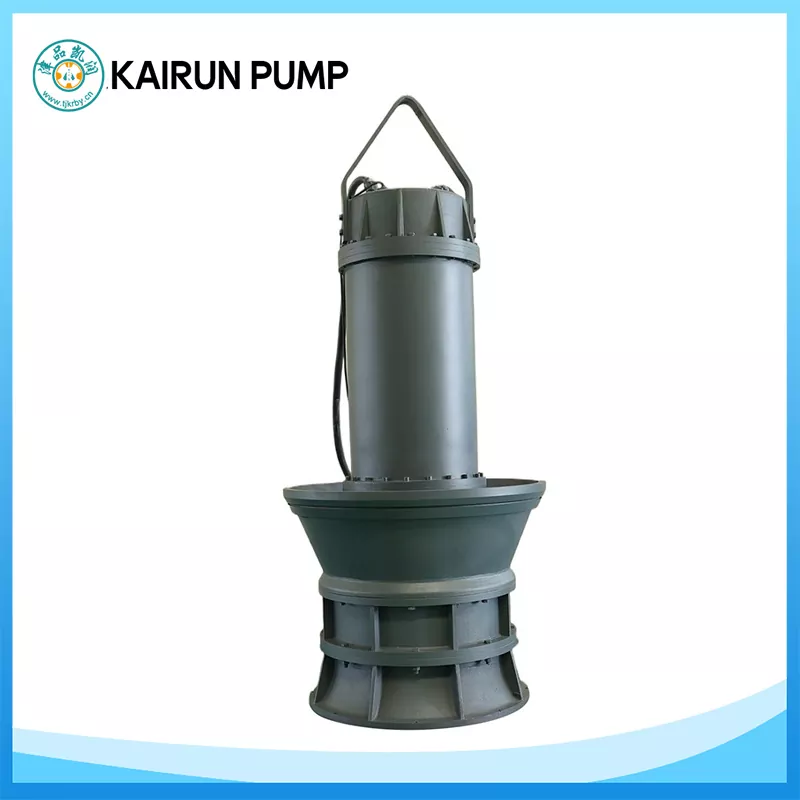
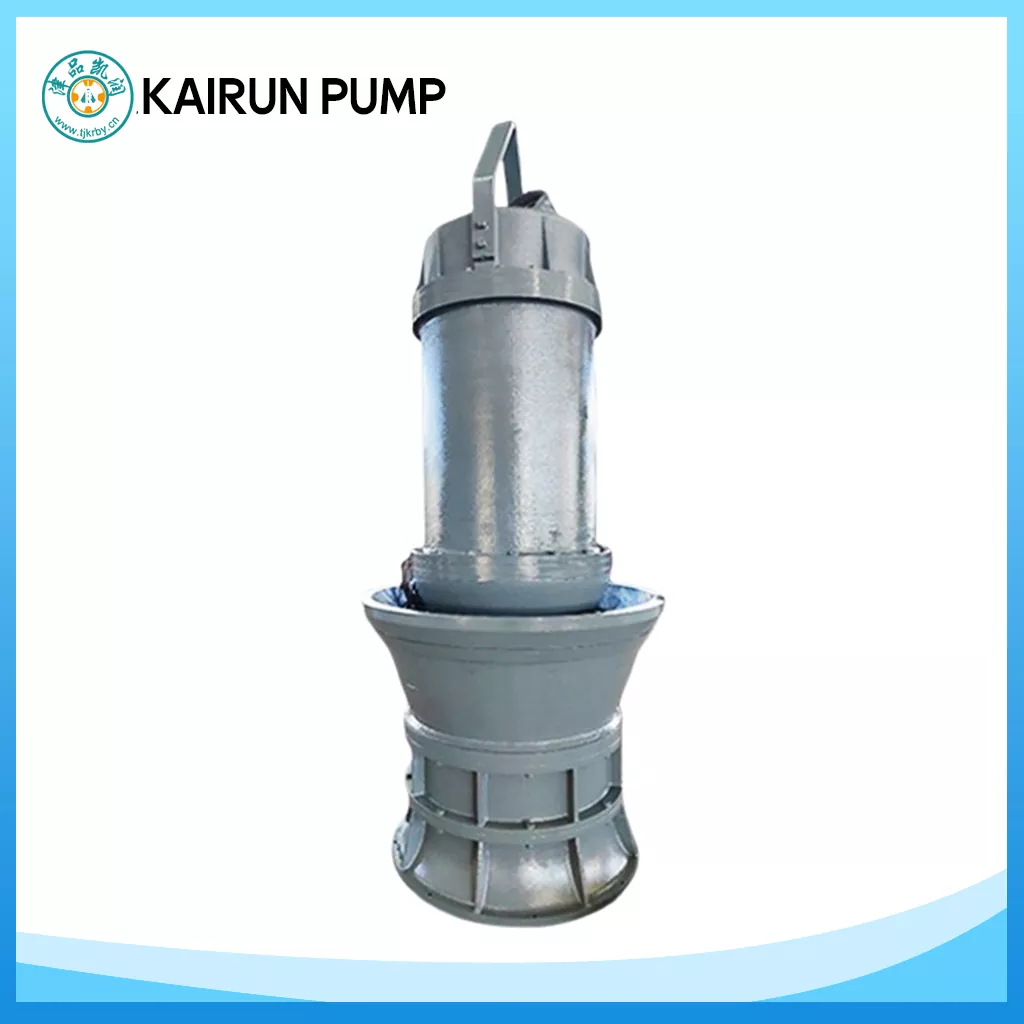
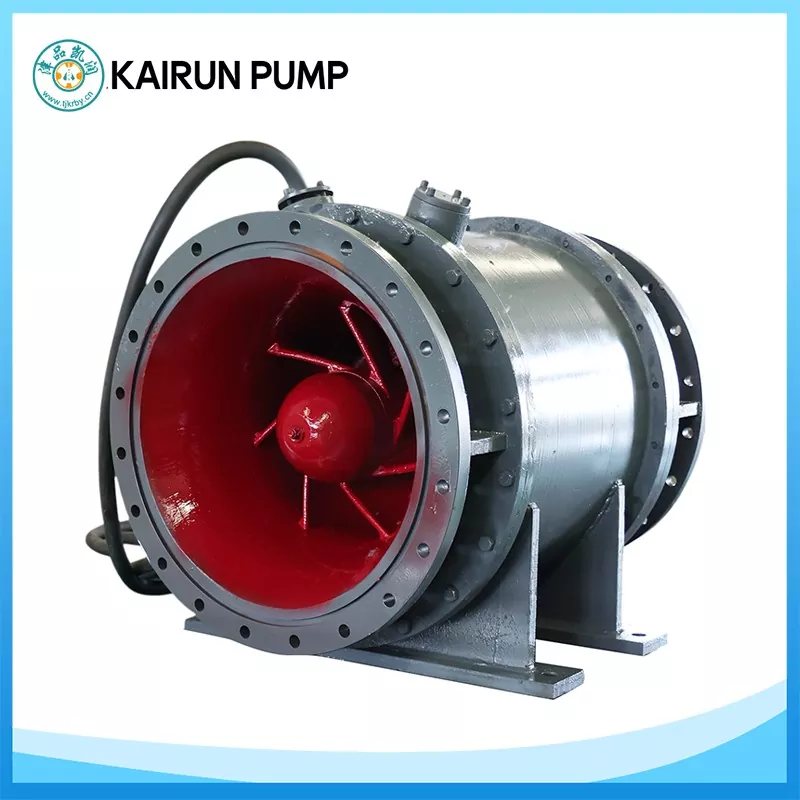
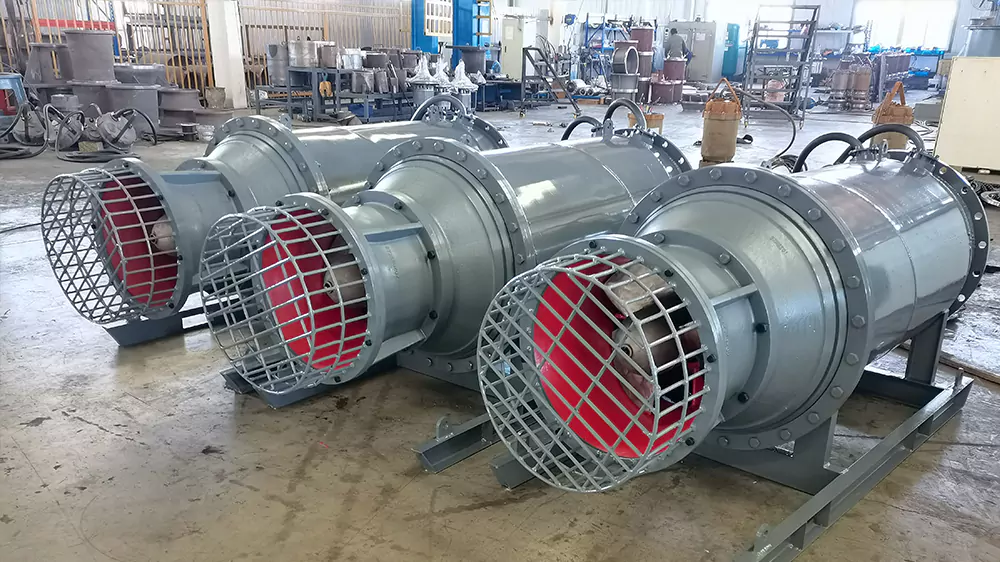
Submersible Axial Flow Pumps are designed to move large volumes of water efficiently under relatively low head conditions. Instead of building pressure primarily for long-distance or high-lift delivery, they are optimized for fast water transfer. Their impeller pushes water in a direction parallel to the shaft, which makes them especially suitable for applications where the priority is moving a great deal of liquid in a short time.
That is exactly why these pumps are frequently considered in flood discharge stations, municipal drainage systems, agricultural irrigation networks, river regulation projects, aquaculture circulation, cooling water transfer, and other large-scale water handling environments. In those situations, buyers are not asking, “Can this pump produce extremely high pressure?” They are asking, “Can this pump move enough water, stay dependable, and keep operating costs under control?”
For companies such as Tianjin Kairun Pump Industry Co., Ltd., this product category speaks directly to projects that need a balance of hydraulic efficiency, submerged operation, compact installation logic, and practical durability. That matters because many customers are not simply buying a pump. They are buying a solution to recurring drainage delays, seasonal flooding pressure, irrigation inefficiency, or unstable water transfer performance.
Simple buying logic: If your application involves low head, large flow, limited installation space, and pressure to reduce downtime, this pump type deserves serious consideration early in the selection process.
Why do buyers struggle when selecting high-flow pumps?
The biggest mistake in pump purchasing is assuming that all water transfer problems can be solved with a familiar general-purpose pump. In reality, many high-flow projects fail in the planning stage because the wrong equipment logic is applied from the beginning.
Here are the customer pain points that show up again and again:
- Mismatch between flow and head: Some buyers focus on head data and overlook real flow demand, which leads to undersized or inefficient equipment.
- Energy cost anxiety: A pump may work on paper but become expensive to run once duty cycles increase.
- Installation limitations: Civil works, footprint restrictions, and changing water levels can complicate the project.
- Maintenance burden: Pumps in harsh or wet environments may be difficult to inspect, repair, or replace quickly.
- Uncertain operating conditions: Seasonal variation, sediment, fluctuating water levels, or continuous-duty requirements can change what “suitable” really means.
- Procurement risk: Buyers worry about reliability, service life, delivery coordination, and whether the supplier can support customization.
That is why serious evaluation cannot stop at one line in a catalog. Buyers need to understand performance curves, structural design, operating environment, and lifecycle value. A lower purchase price does not help if the pump later creates energy waste, repeated servicing, or emergency shutdowns in peak season.
What advantages make this pump type stand out?
When chosen for the right duty point, Submersible Axial Flow Pumps solve a very specific class of project problems better than many alternatives. Their strengths are not abstract. They directly map to what buyers actually care about on site.
| Advantage | What It Means in Practice | Why Buyers Care |
|---|---|---|
| Large flow capacity | Moves substantial volumes of water quickly under low head conditions | Useful for drainage, flood control, and irrigation where speed matters |
| Submersible structure | The motor and pump arrangement supports underwater operation | Helps reduce installation constraints and can simplify station layout |
| Space efficiency | Often suitable where above-ground installation space is limited | Important for retrofit projects or compact pump stations |
| Stable continuous service | Designed for demanding working cycles in water transfer applications | Supports projects that cannot tolerate frequent shutdowns |
| Reduced noise and cleaner site layout | Submerged operation can support more orderly installation environments | Helpful in municipal or industrial settings where site management matters |
| Customization potential | Materials, power matching, control systems, and dimensions may be adapted | Better project fit lowers long-term operating risk |
Another reason these pumps remain attractive is operational logic. In many high-flow projects, buyers do not want an overcomplicated system with excessive auxiliary structure. They want dependable output. A well-matched axial flow solution can deliver that without forcing the project into an unnecessarily high-pressure design path.
How do they compare with other pump options?
Not every pump is built for the same job, and confusion usually begins when categories are compared without reference to actual working conditions. Here is a practical way to think about it:
| Pump Type | Best For | Where It May Fall Short |
|---|---|---|
| Submersible Axial Flow Pump | Low head, very large flow, drainage and transfer duty | Not ideal when the system requires high pressure or high lift |
| Centrifugal Pump | General water transfer across many medium-duty applications | May be less efficient when extremely high flow at low head is the main target |
| Mixed Flow Pump | Applications between axial and centrifugal performance ranges | May not match pure axial flow efficiency in dedicated high-volume low-head tasks |
| Vertical Pump | Sites where vertical arrangement supports system layout | Installation and maintenance planning may become more complex depending on civil design |
The smart question is not “Which pump is better in general?” It is “Which pump fits the duty point with the least waste?” Once you frame the decision that way, the role of Submersible Axial Flow Pumps becomes much clearer. They are not trying to do every job. They are trying to do one demanding job extremely well: moving a lot of water efficiently where lift is limited and flow is everything.
Which selection factors matter most before ordering?
If a buyer wants to avoid the most expensive selection mistakes, these are the questions that should be answered before final purchase approval:
-
What is the real required flow rate?
Not the estimated average, but the true design requirement during peak operating conditions. -
What is the system head?
Total dynamic head must be checked carefully. Even low-head systems need accurate numbers. -
What is the liquid condition?
Clean water, lightly contaminated water, suspended solids, corrosion risk, and temperature all influence design choices. -
How will the pump be installed?
Installation depth, station structure, guide rail needs, electrical layout, and maintenance access all matter. -
What is the duty cycle?
Intermittent emergency service and continuous daily service place different demands on the equipment. -
What level of efficiency is expected?
Energy cost over years of use can outweigh small price differences at the time of purchase. -
Is supplier support available?
Technical matching, drawing confirmation, motor configuration, testing capability, and after-sales communication can influence project outcomes just as much as the pump itself.
Buyers should also ask for a practical quotation conversation, not just a number. If the supplier is serious, they should want to understand the application in detail. That kind of dialogue usually produces better matching and fewer project revisions.
Procurement tip: The cheapest quotation can become the most expensive choice if it leads to unstable performance, energy waste, or early replacement.
What project scenarios benefit the most?
The value of Submersible Axial Flow Pumps becomes most visible in real operating scenarios. Here are some of the most common and commercially meaningful examples:
- Municipal flood discharge: Fast removal of stormwater during heavy rainfall events.
- Agricultural irrigation: Water transfer from rivers, reservoirs, or channels to large farmland systems.
- Water conservancy projects: Controlled flow management in embankment, channel, or diversion systems.
- Industrial circulation: Large-volume cooling or process water transport where pressure demand is not extreme.
- Aquaculture and environmental water movement: Maintaining circulation and exchange in certain water management environments.
In these projects, speed, stability, and operating economy usually matter more than decorative specifications. That is why experienced buyers pay close attention to hydraulic matching, motor protection, material selection, and whether the supplier understands the end-use environment.
A pump that performs well in a brochure but fails under real seasonal conditions is not a solution. The better strategy is to evaluate the full operating picture, especially when the application faces changing water levels, emergency load spikes, or continuous operation windows.
How can users protect performance over time?
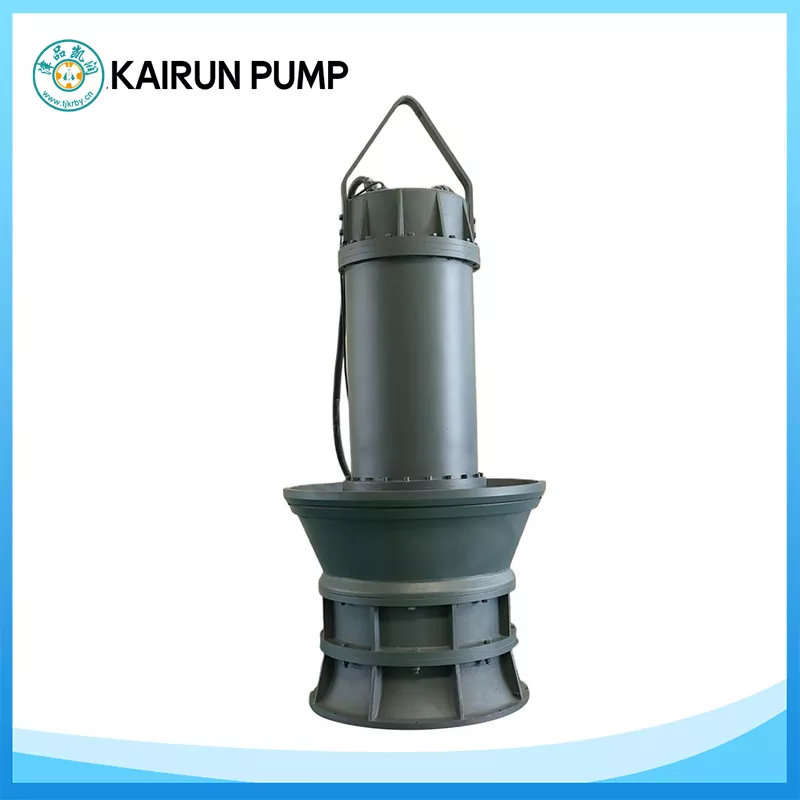
Even a well-selected pump needs sensible maintenance discipline. The good news is that long-term reliability is usually less about constant repair and more about regular preventive attention.
Users can improve lifecycle performance by focusing on the following points:
- Check electrical systems, cables, sealing conditions, and monitoring signals on a scheduled basis.
- Inspect impeller condition and look for wear caused by abrasive media or unexpected debris.
- Confirm that operating conditions still match the original design assumptions.
- Track noise, vibration, and temperature changes as early warnings rather than waiting for failure.
- Keep spare parts planning realistic for peak-demand seasons.
- Work with a supplier that can support technical communication after delivery, not only before payment.
From a buyer’s point of view, the most cost-effective pump is rarely the one with the lowest invoice price. It is the one that delivers dependable flow, manageable energy consumption, fewer interruptions, and a service relationship that makes future decisions easier instead of harder.
That is why more project owners and channel buyers focus on lifecycle value. They want a pump that fits the project, not a product that merely looks acceptable on a parameter sheet.
FAQ
1. What are Submersible Axial Flow Pumps best used for?
They are best suited for low-head, high-flow water transfer applications such as flood control, drainage, irrigation, and circulation systems.
2. What is the main advantage of Submersible Axial Flow Pumps?
Their main advantage is efficient movement of large water volumes where the required lift is relatively low.
3. Which buyers usually choose this type of pump?
Municipal contractors, agricultural system planners, industrial project teams, distributors, and water management contractors often consider them for large-scale transfer needs.
4. Do Submersible Axial Flow Pumps work well for high-pressure systems?
They are generally selected for high-flow rather than high-pressure duty. If the system requires substantial head, another pump type may be more appropriate.
5. What should I prepare before requesting a quotation?
You should ideally provide flow rate, head, liquid condition, installation method, voltage or power requirements, and the intended application scenario.
6. Why is supplier support important in this purchase?
Because technical matching, material selection, testing, customization, and after-sales responsiveness can have a direct impact on project reliability and long-term cost.
What should buyers remember before making the final decision?
If your project demands rapid transfer of large water volumes and the system head is relatively low, Submersible Axial Flow Pumps are often one of the most logical solutions to evaluate first. They answer real customer pain points: flow demand, station space, operating efficiency, and dependable continuous service. More importantly, they allow buyers to match the pump to the project instead of forcing the project to adapt to the wrong pump type.
For procurement teams, engineers, and distributors looking for a more reliable product match, it makes sense to work with a manufacturer that understands both the hydraulic side and the project side. Tianjin Kairun Pump Industry Co., Ltd. is positioned in exactly that conversation, where technical suitability matters more than empty claims.
If you are comparing pump solutions for drainage, irrigation, flood control, or industrial water transfer, now is the right time to review your project parameters carefully and choose a product that truly fits the job. For tailored support, product matching, or project discussion, contact us and start the conversation with a team that understands what high-flow applications really demand.
Related News
- Sluice Gate Axial Flow Pumps Gain Attention as Cities Upgrade Flood Control and Drainage Systems
- What Makes Tubular Pump Selection So Critical for High-Flow Water Projects?
- What Makes Vertical Axial Flow Pump the Right Choice for High-Flow Water Projects?
- How Can a Motor Control Center Solve Pump System Downtime and Energy Waste?
- How Can Water Pump Control Valve Prevent Costly Pump System Failures?
- How Can Water Pump Accessories Reduce Pump Downtime?
Leave me a message