News

Enabling water resource management across multiple scenarios

2026-01-27 0 Leave me a message

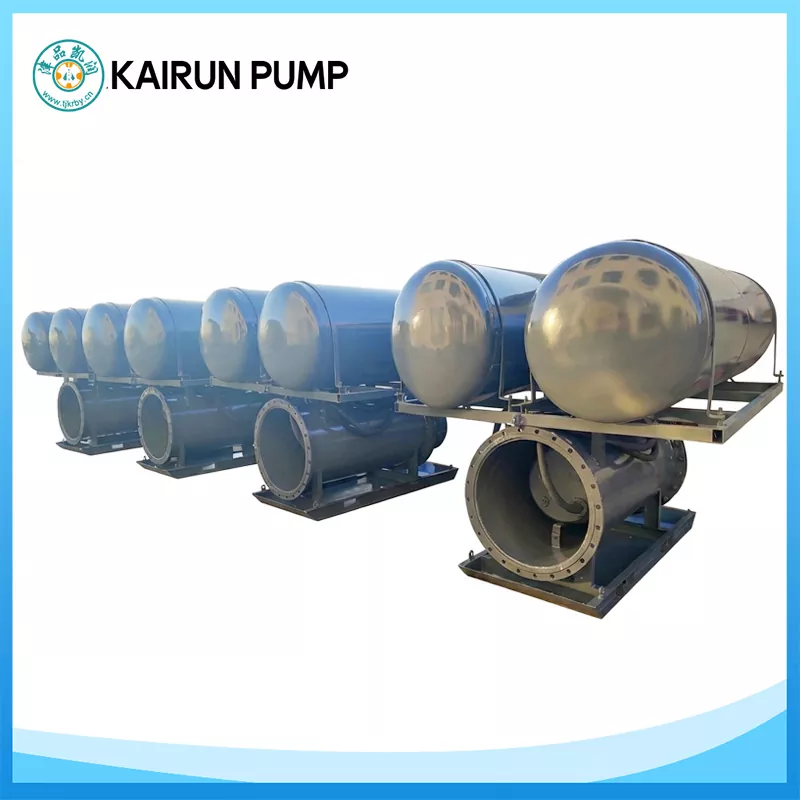
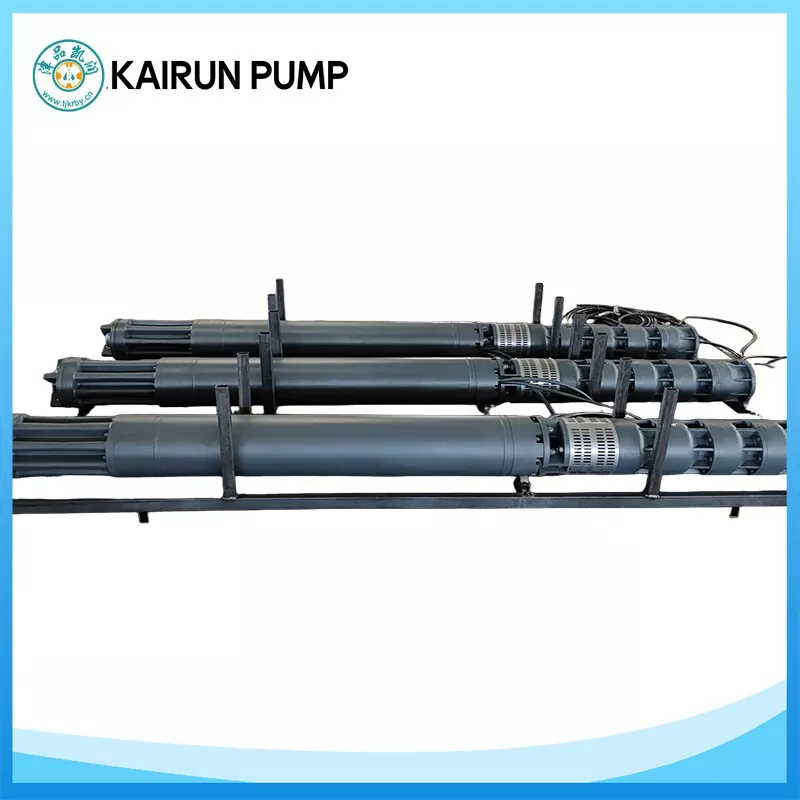
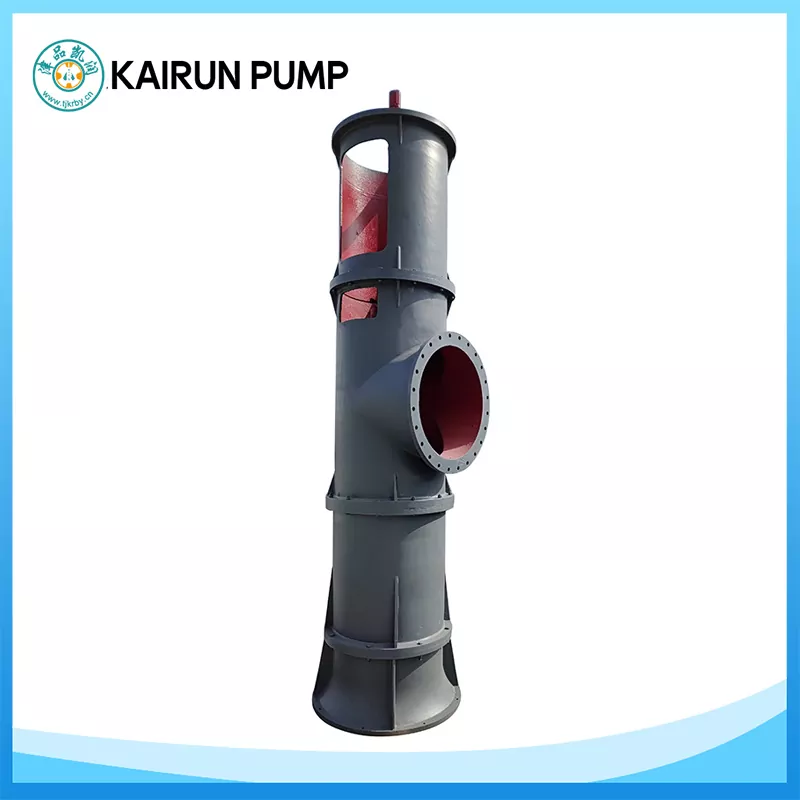
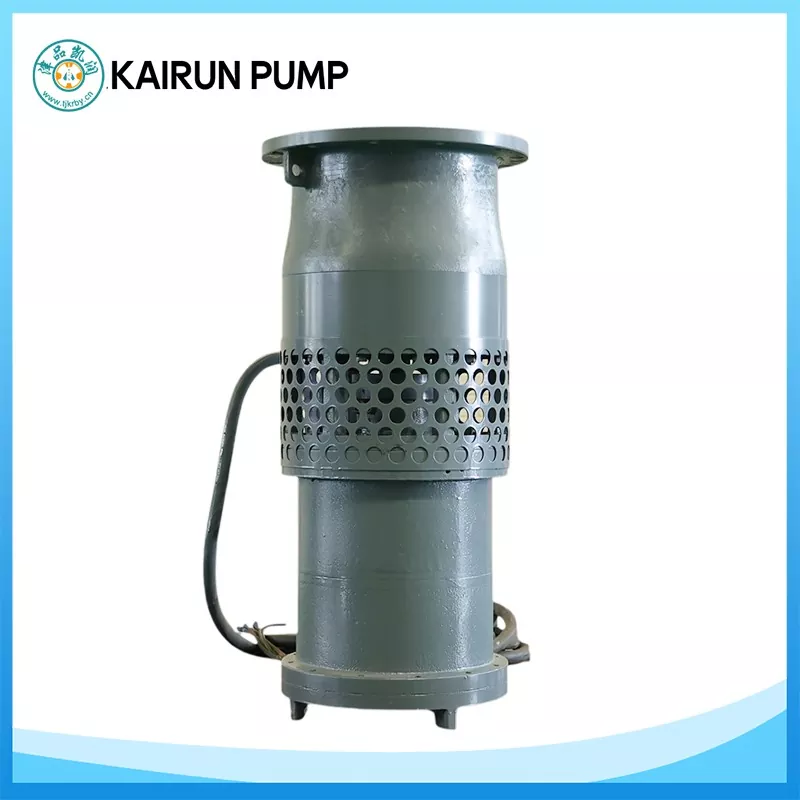
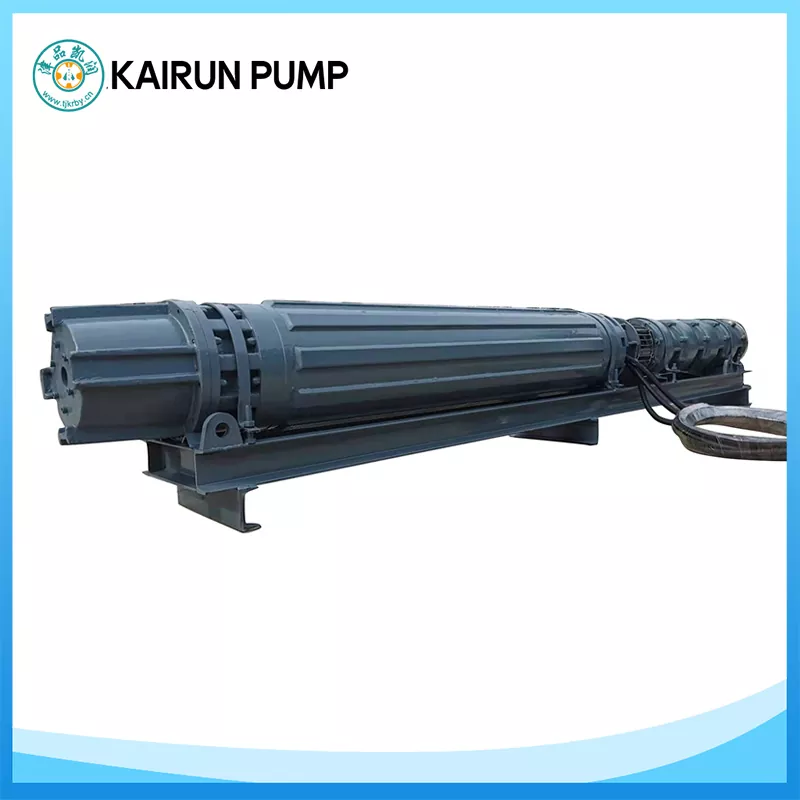
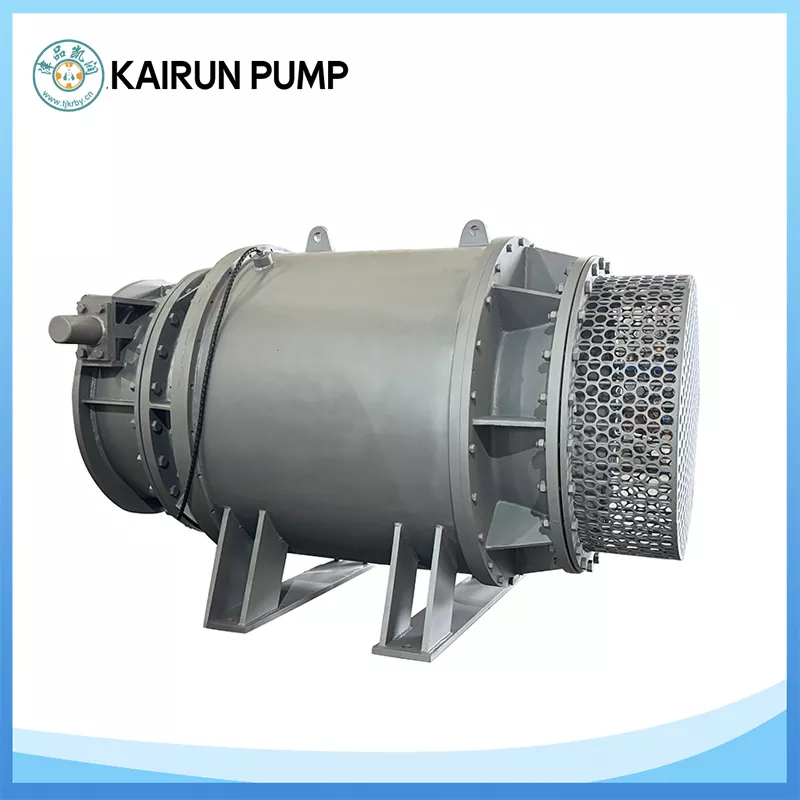
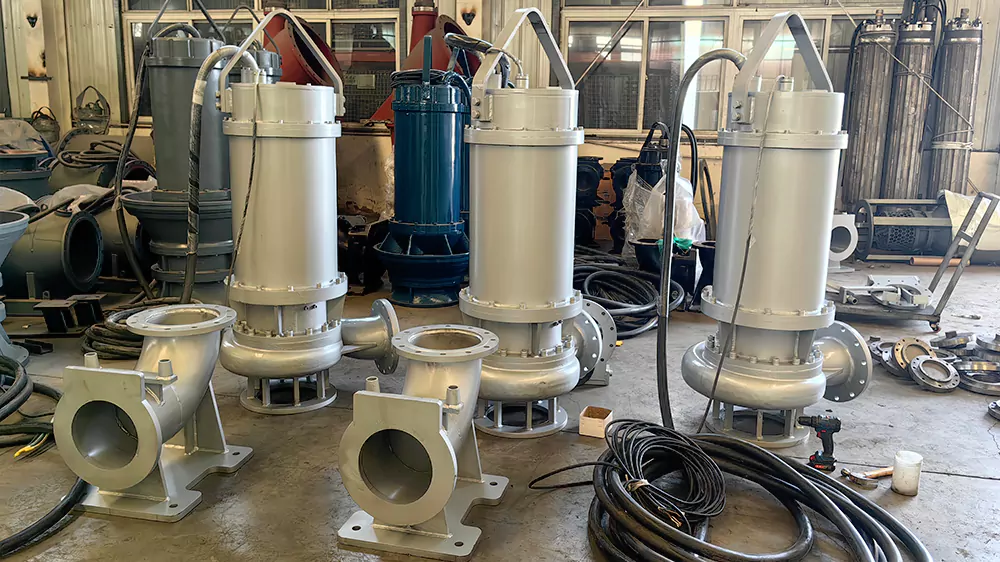
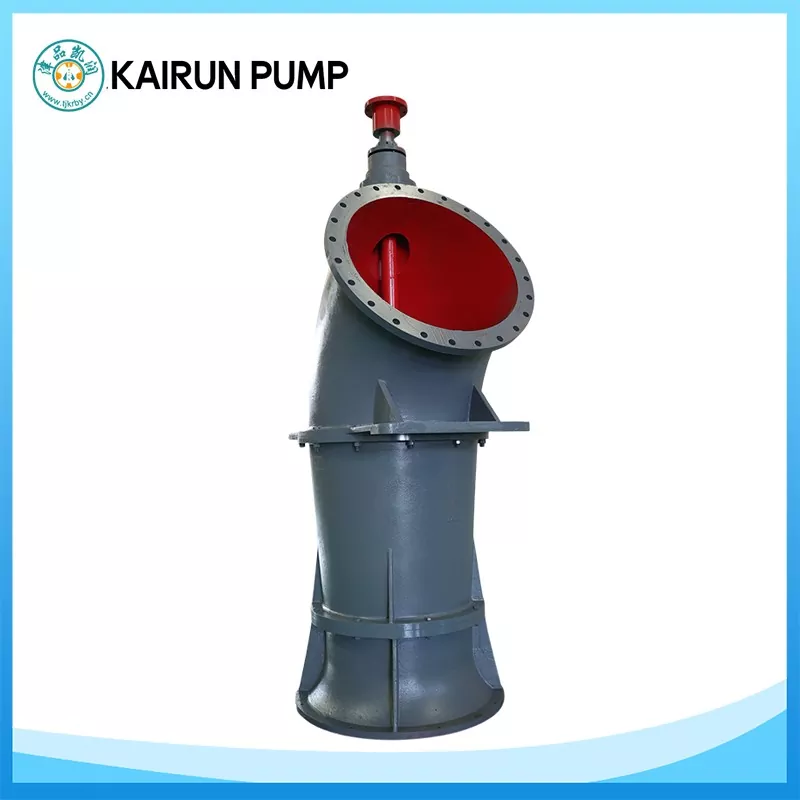
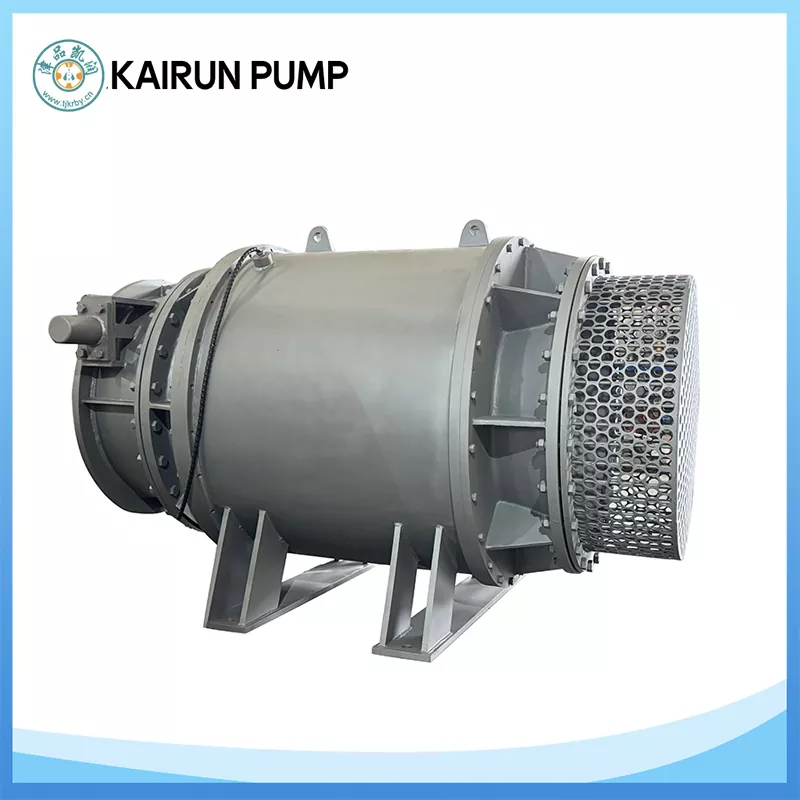
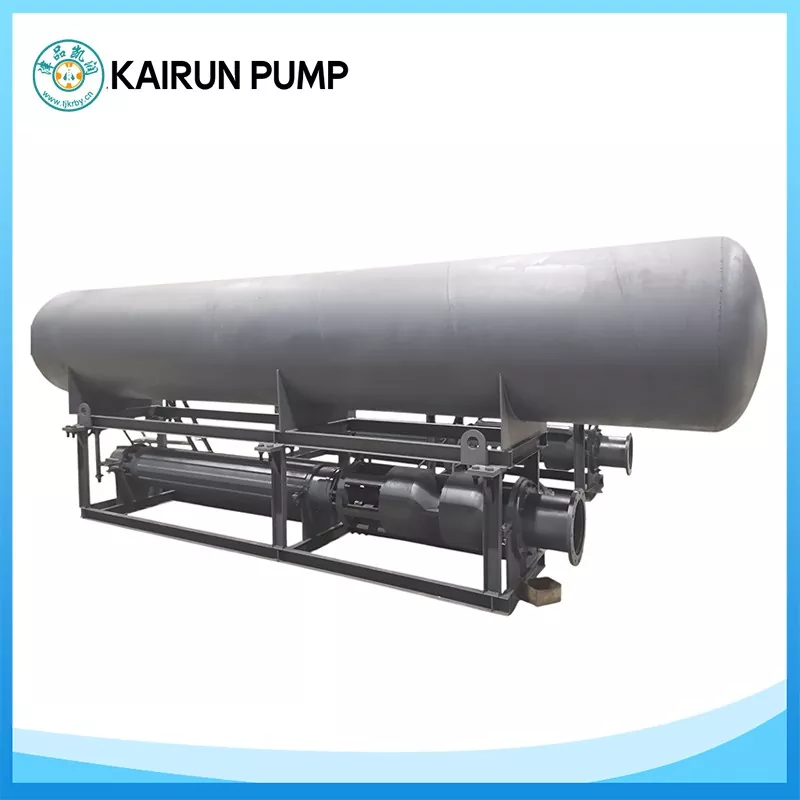
In the field of ecological governance and water resource allocation, submersible axial-flow pumps have become a powerful "ecological tool" for improving the aquatic environment. Addressing sediment accumulation and water quality degradation in lakes and lagoons, submersible axial-flow pumps efficiently perform dredging, wastewater discharge, and ecological water replenishment.  Their low noise and lack of high temperatures during operation prevent damage to aquatic ecosystems, allowing for water circulation and regulation while protecting the environment. In inter-basin water transfer and regional water resource optimization projects, these pumps, with their straight flow channels and low hydraulic losses, enable efficient long-distance water transport, helping to address the uneven spatial and temporal distribution of water resources. Furthermore, in industrial water supply and light wastewater treatment applications, submersible axial-flow pumps operate stably, transporting water and similar liquids at temperatures below 40°C, meeting the basic needs of industrial production.


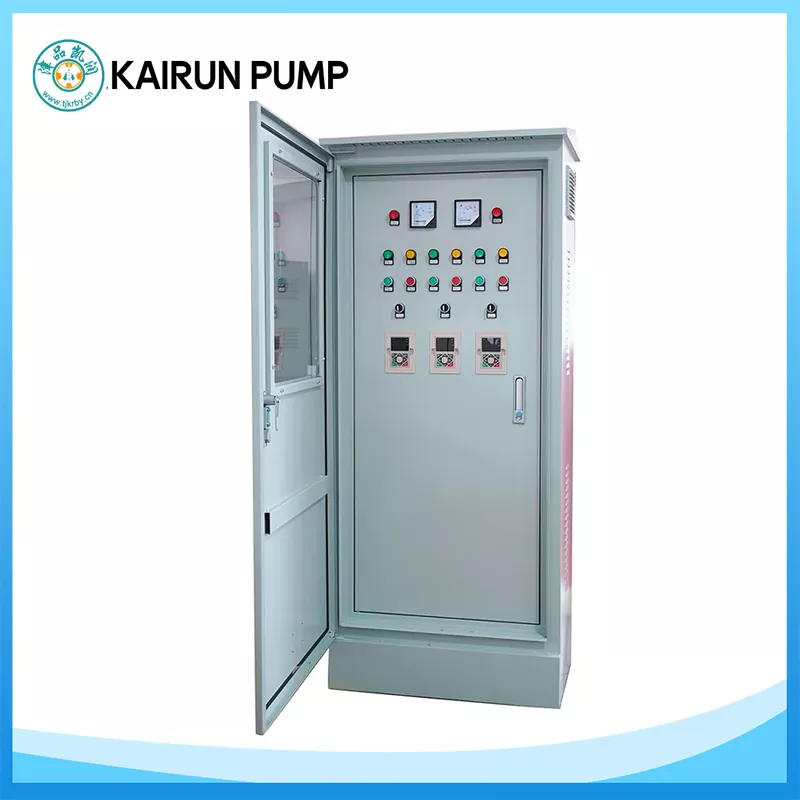
With continuous technological advancements, submersible axial-flow pumps are constantly improving in energy efficiency and intelligence. The adoption of advanced hydraulic models and sealing technologies significantly increases equipment efficiency; some unidirectional pumps achieve a maximum efficiency of 80.9%, while also saving 30%-40% of the total cost of pump station construction. Intelligent monitoring devices provide real-time monitoring of overload, overtemperature, leakage, and other abnormal conditions, enabling remote and automatic control and further reducing operation and maintenance difficulties.


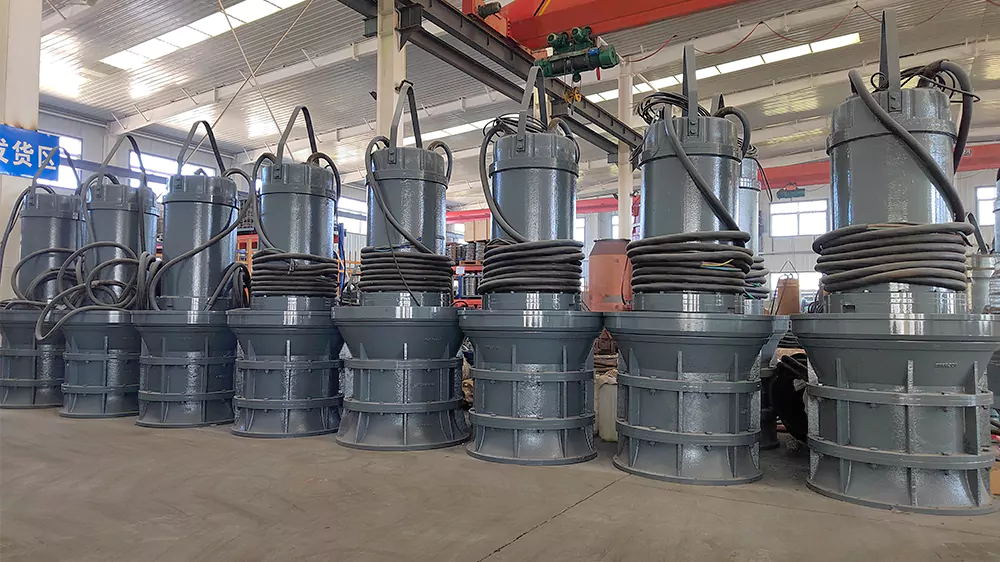
From being a "guardian" of urban flood control to an "enabler" of agricultural production and a "practitioner" of ecological governance, submersible axial-flow pumps, with their diverse applications, meet the needs of different scenarios, becoming a core piece of equipment in the modernization of water conservancy projects. In the future, with the continued advancement of water conservancy infrastructure construction, this efficient and energy-saving equipment will be applied in more fields, providing strong impetus for safeguarding public safety and promoting sustainable ecological development.


Related News
Leave me a message
X
We use cookies to offer you a better browsing experience, analyze site traffic and personalize content. By using this site, you agree to our use of cookies. Privacy Policy
Reject Accept