
In many pumping projects, the pump itself gets most of the attention, while the supporting components are treated as secondary parts. That is a costly mistake. A reliable pump can still suffer from vibration, leakage, backflow, unstable power supply, difficult maintenance, or premature wear if the surrounding accessories are not matched correctly. For project owners, contractors, municipal engineers, irrigation managers, and industrial operators, the real question is not only whether a pump can move water. The real question is whether the whole pumping system can keep working safely, efficiently, and predictably over time.
This article explains how Water Pump Accessories help reduce downtime, improve system protection, and make pump operation easier to manage. It also shows how to select the right supporting parts for different environments, from municipal drainage and agricultural irrigation to water conservancy, flood control, industrial water transfer, and pumping station construction. Tianjin Kairun Pump Industry Co., Ltd. provides pump products and accessory solutions for these demanding applications, with a practical focus on system compatibility rather than isolated component supply.
Article Summary
Water Pump Accessories are not minor add-ons. They are essential parts that connect, protect, support, seal, control, and stabilize a pumping system. The right accessories can reduce leakage, absorb vibration, prevent reverse flow, simplify installation, protect cables, support vertical pump structures, and extend the service life of the entire system. This article breaks down common accessory types, explains buyer pain points, compares selection factors, and gives practical guidance for building a more dependable pump configuration.
Table of Contents
- Article Outline
- Why Pump Downtime Often Starts Outside the Pump
- What Water Pump Accessories Actually Do in a System
- How to Select Accessories for Different Pumping Conditions
- Common Accessory Types and Their Practical Value
- Mistakes Buyers Should Avoid Before Ordering
- How Better Accessories Make Maintenance Easier
- Why Supplier Experience Matters for Project Reliability
- FAQ About Water Pump Accessories
- Conclusion and Contact Us
Article Outline
- Identify the hidden causes of pump downtime, including vibration, leakage, misalignment, reverse flow, and cable damage.
- Explain the main functions of Water Pump Accessories in complete fluid transportation systems.
- Compare accessory choices for drainage, irrigation, flood control, industrial water supply, and pumping station projects.
- Provide a practical table for understanding the role of each accessory type.
- Answer common buyer questions before procurement decisions are made.
Why Pump Downtime Often Starts Outside the Pump
When a pumping system fails, many people immediately blame the pump. In reality, downtime often begins in the surrounding structure. A pipe connection may loosen because vibration was not absorbed properly. A valve may allow backflow after shutdown. A cable may lose insulation in a wet or submerged environment. A vertical installation may suffer from unstable positioning. A poorly designed joint may make future maintenance difficult, forcing workers to spend unnecessary time dismantling the pipeline.
These problems do not always appear during the first test run. They usually emerge after repeated starts and stops, seasonal operation, heavy flow impact, sediment exposure, or long-term outdoor use. That is why Water Pump Accessories should be evaluated at the design stage, not treated as last-minute purchasing items. A well-matched accessory package can reduce the weak points that normally shorten operating life.
Buyers often focus on flow rate, head, power, and pump model. Those figures matter, of course. But if the accessories cannot handle the same operating environment, the system still becomes vulnerable. For example, a sewage pumping project may need reliable sealing and corrosion resistance. A flood control station may need stable outlet protection. A vertical shaft installation may require accurate pump support. A submerged motor may need a cable that can perform safely in humid, abrasive, or underwater conditions.
What Water Pump Accessories Actually Do in a System
Water Pump Accessories perform several roles at once. They are used to connect equipment, absorb movement, protect the pump, stabilize the pipeline, prevent reverse flow, support installation, transmit power, and improve maintenance access. Without these supporting components, a pump may still operate, but the system becomes harder to control and easier to damage.
A complete pumping system is similar to a chain. The pump is one strong link, but the joints, valves, cables, pipe supports, and control-related components must also be strong enough for the same working conditions. If one accessory is poorly matched, the entire system may face leakage, pressure loss, difficult disassembly, unsafe electrical transmission, or structural stress.
In practical projects, the right accessories can help solve several common pain points:
- Leakage control: Proper sealing parts reduce water loss and protect nearby equipment or civil structures.
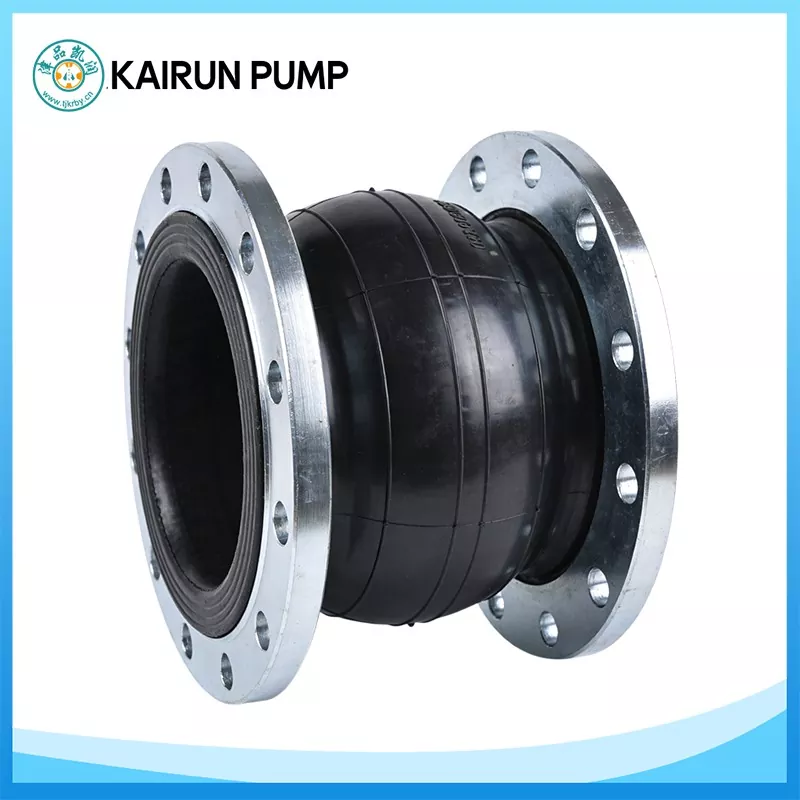
- Vibration reduction: Flexible joints help absorb pipeline movement and reduce mechanical stress.
- Backflow prevention: Outlet protection components can stop reverse flow when the pump shuts down.
- Installation stability: Support pipes and mounting accessories keep the pump positioned correctly.
- Power safety: Suitable cables help maintain stable power transmission in wet or submerged environments.
- Maintenance efficiency: Dismantling-friendly components reduce labor time during inspection or replacement.
How to Select Accessories for Different Pumping Conditions
Selecting Water Pump Accessories should start with the working environment. A pump used in a municipal drainage station faces different risks from a pump used in agricultural irrigation or industrial water transfer. The accessory choice should match the medium, pressure, installation method, pipeline layout, maintenance plan, and expected operating frequency.
For municipal drainage and flood control projects, reliability during sudden high-flow operation is especially important. Accessories must support fast response, stable outlet performance, and long-term resistance to moisture and corrosion. For agricultural irrigation, the buyer may care more about cost control, easy installation, and stable seasonal operation. For industrial applications, material compatibility, sealing performance, and maintenance safety often become the main concerns.
Before ordering, buyers should clarify the following information:
- Pump type, model, flow rate, head, and outlet diameter.
- Pipeline material, pressure range, and connection standard.
- Medium type, including clean water, sewage, river water, seawater, or industrial fluid.
- Installation environment, such as vertical shaft, pumping station, outdoor pipeline, or submerged operation.
- Expected maintenance frequency and whether quick dismantling is required.
- Corrosion, sediment, vibration, backflow, or temperature concerns.
These details allow the supplier to recommend accessories that fit the system rather than simply selling standard parts. This is especially important for customized projects, where civil engineering conditions and pump configurations may vary from site to site.
Common Accessory Types and Their Practical Value
The table below explains how different accessory types support pumping system reliability. The exact configuration should always be selected according to project requirements, but this comparison gives buyers a clearer starting point.
| Accessory Type | Main Function | Common Buyer Pain Point Solved | Typical Application Scenario |
|---|---|---|---|
| Rubber Expansion Joint | Absorbs vibration, compensates movement, and improves sealing between pipes. | Reduces pipeline stress, noise, leakage risk, and damage caused by vibration. | Pumping stations, municipal water systems, industrial pipelines, irrigation projects. |
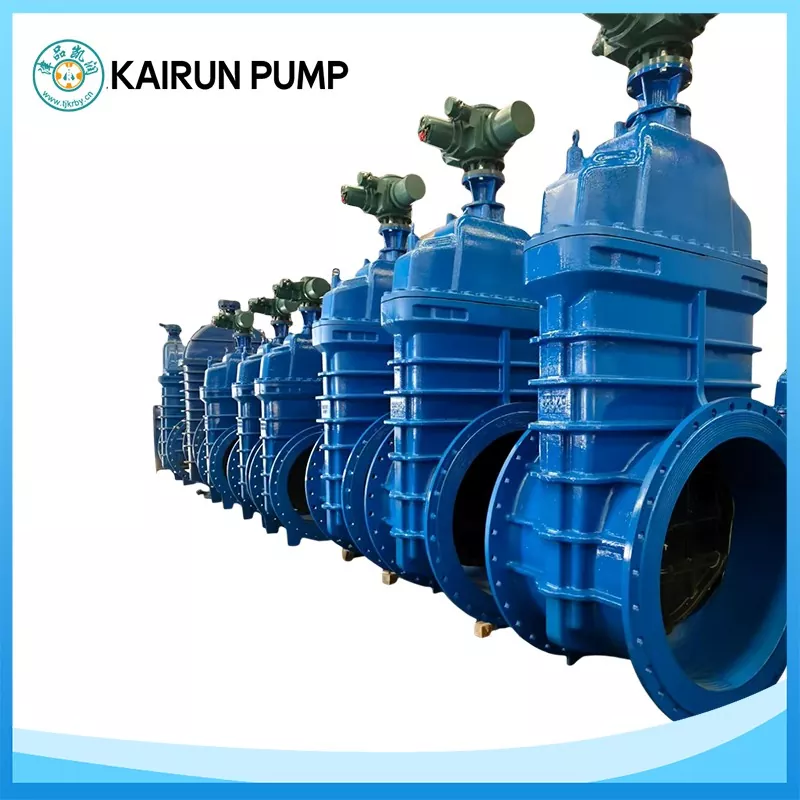
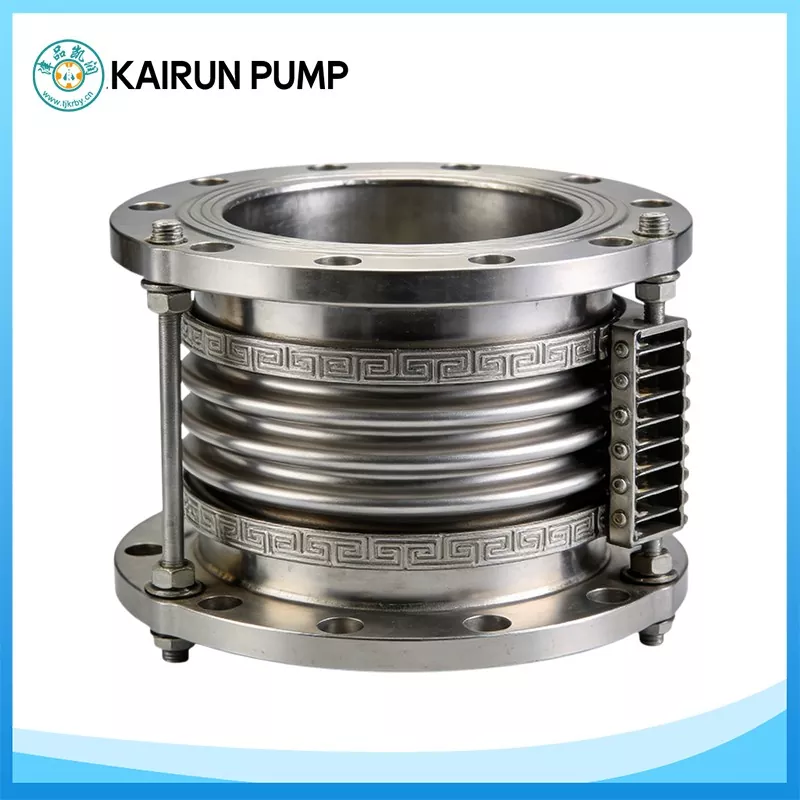
| Dismantling Joint | Allows easier installation, adjustment, and removal of valves or pipeline sections. | Reduces maintenance time and avoids unnecessary cutting or reconstruction. | Large pipelines, pump rooms, water supply systems, drainage networks. |
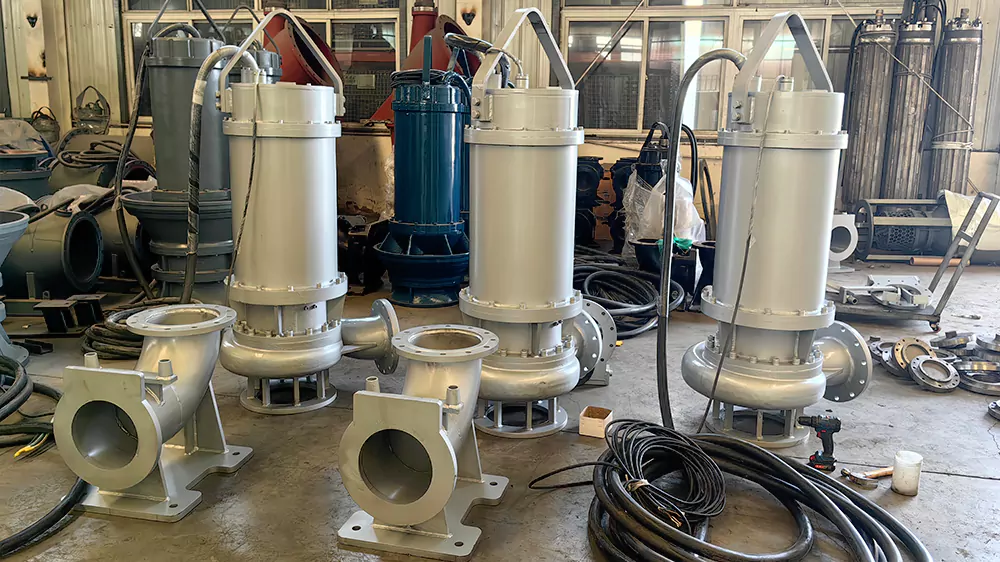
| Submersible Pump Cable | Provides power transmission for pumps working in wet or submerged conditions. | Improves electrical safety and reduces downtime caused by cable failure. | Submersible pumps, sewage pumps, deep well pumps, underwater installations. |
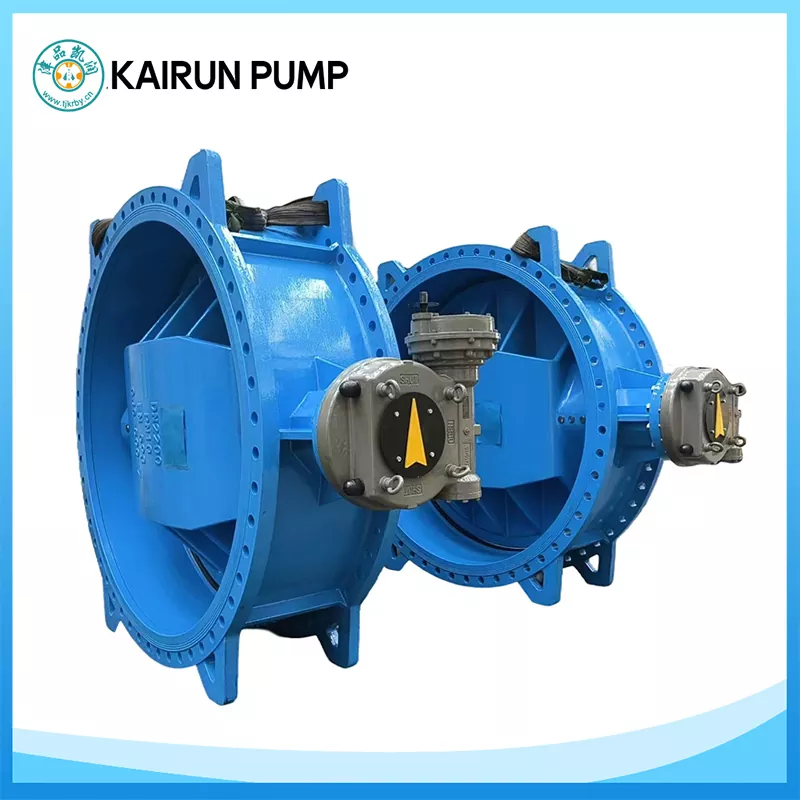
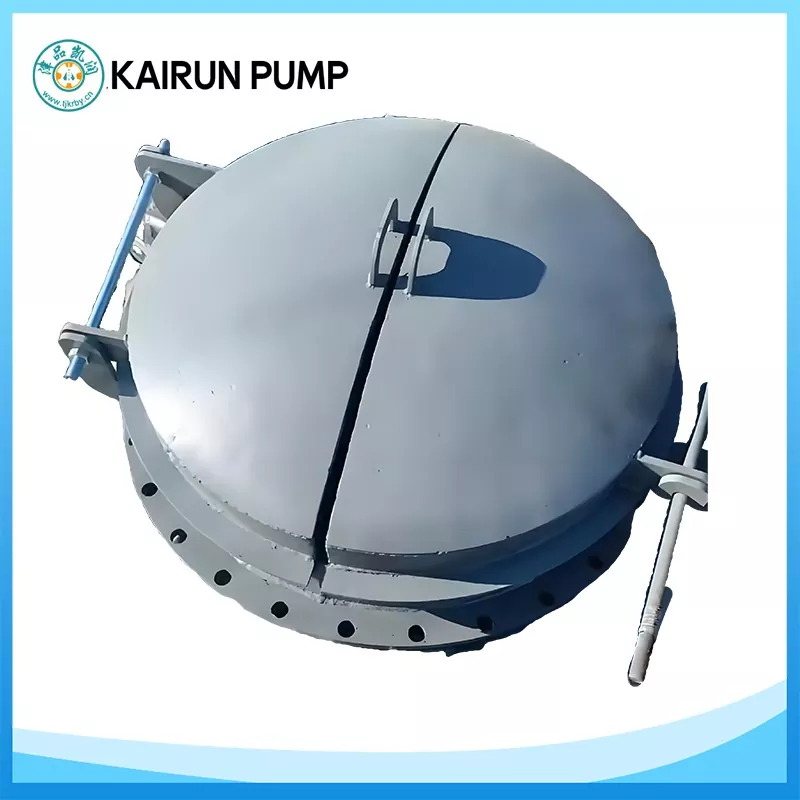
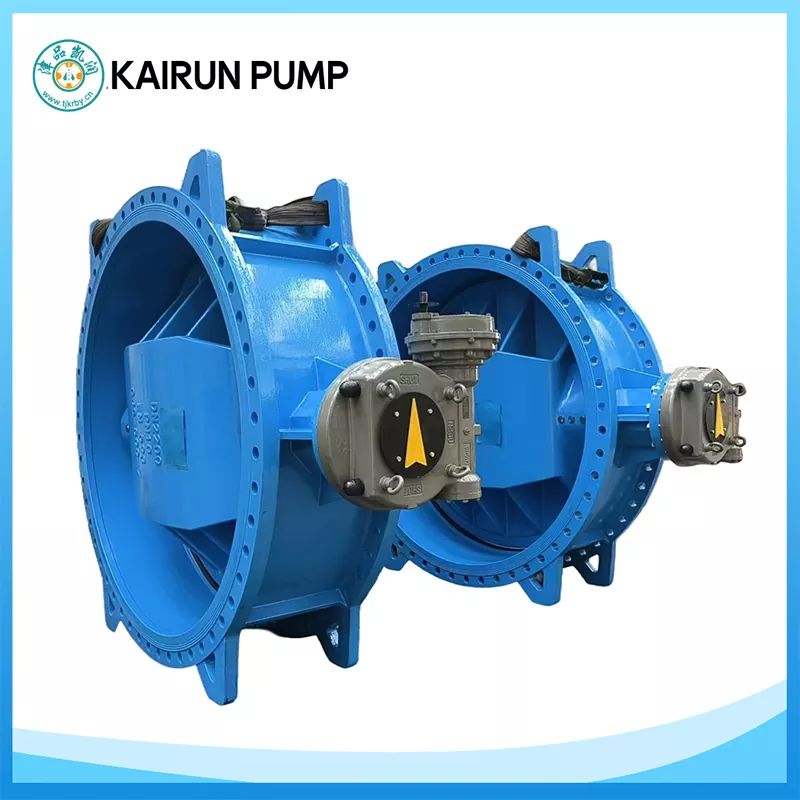
| Flap Valve | Opens and closes according to water pressure to help prevent reverse flow. | Protects the pump and outlet structure from backflow impact after shutdown. | Flood control stations, drainage outlets, water conservancy projects. |
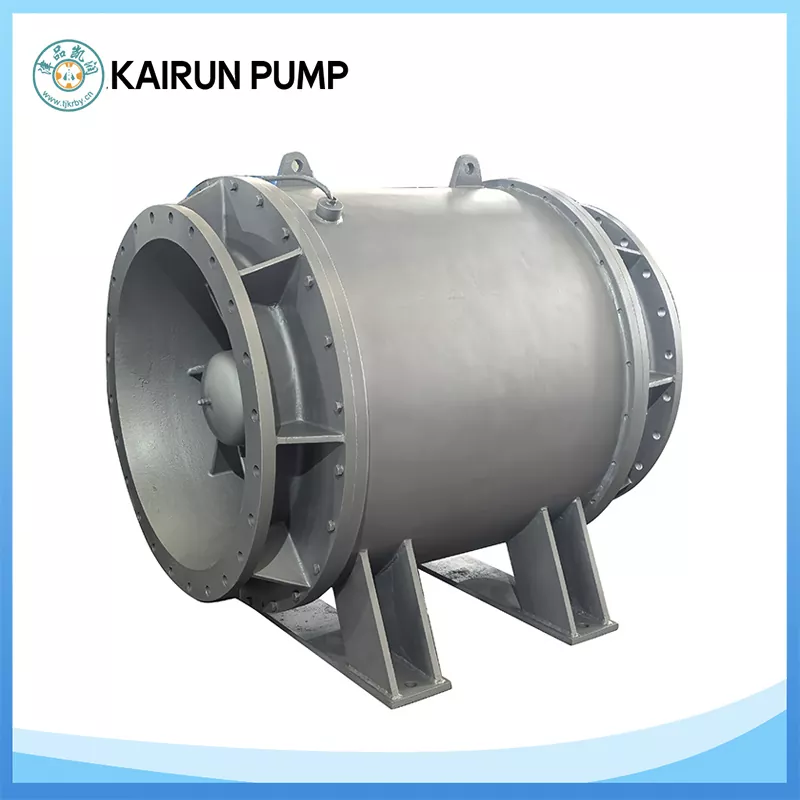
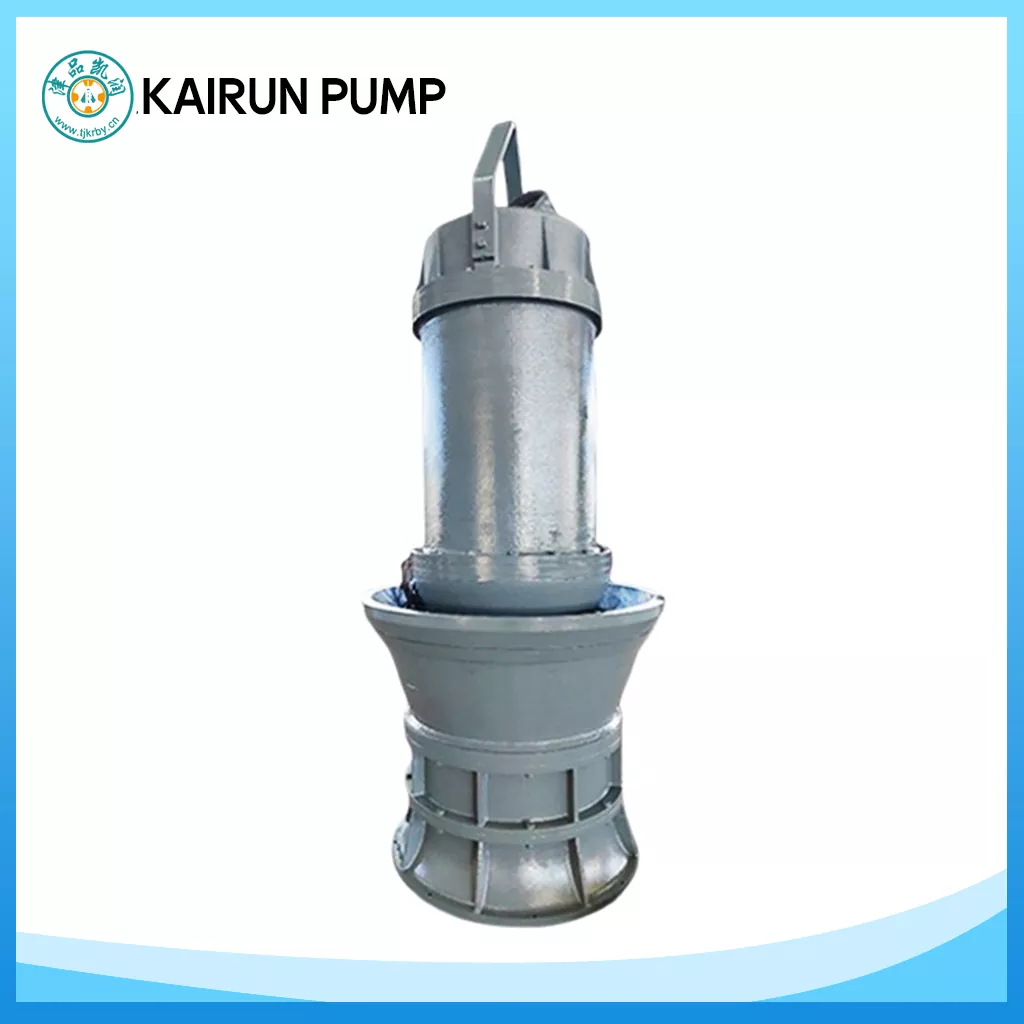
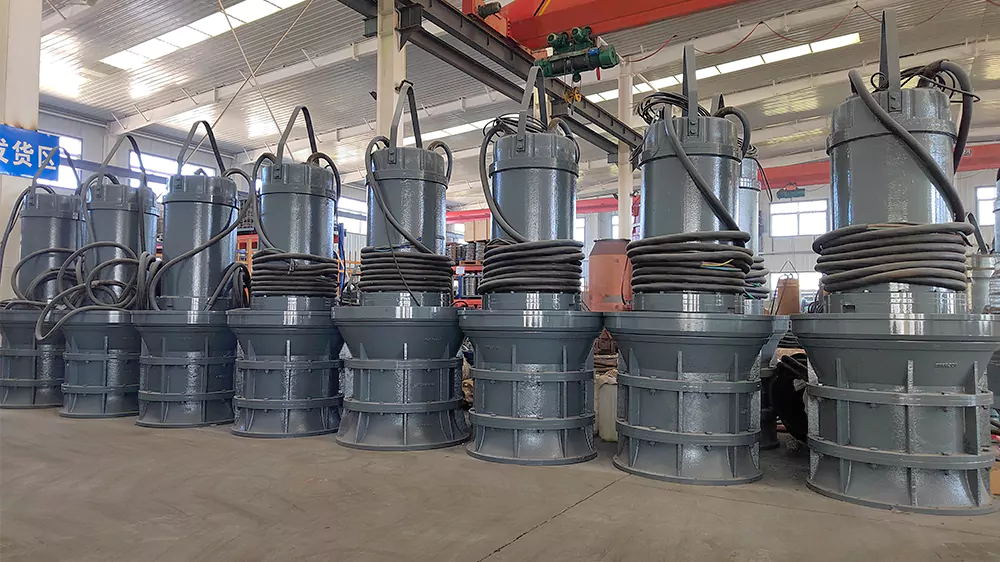
| Pump Column Pipe | Supports vertical pump installation and helps maintain correct water flow path. | Improves positioning accuracy, structural stability, and installation efficiency. | Vertical shaft installations, axial flow pump systems, municipal drainage stations. |
A useful accessory is not judged only by appearance or price. It should be judged by how much risk it removes from the system. If one component helps avoid leakage, backflow, cable damage, or long maintenance shutdowns, it can create value far beyond its purchase cost.
Mistakes Buyers Should Avoid Before Ordering
Many procurement problems come from incomplete information. A buyer may send only the pump name and request a quick quotation. That may work for simple replacement parts, but it is not enough for a reliable project configuration. Water Pump Accessories need to match dimensions, materials, pressure conditions, installation space, and future maintenance requirements.
One common mistake is choosing accessories based only on the lowest price. A low-cost joint, cable, or valve may appear acceptable at first, but if it fails early, the project may face shutdown costs, labor costs, equipment damage, and customer complaints. Another mistake is ignoring installation space. Some accessories need enough room for movement, dismantling, or inspection. If the pipeline layout is too tight, maintenance becomes difficult later.
Buyers should also avoid mixing components from too many unrelated sources without technical coordination. Different suppliers may use different tolerances, materials, or connection standards. When the system is assembled on site, small mismatches can become serious problems. Working with a supplier that understands pumps and accessories together can reduce this risk.
Practical tip: before confirming an order, prepare drawings, photos of the installation site, pump model details, pipeline diameter, pressure requirements, and medium information. The more accurate the project data, the easier it is to select accessories that truly fit.
How Better Accessories Make Maintenance Easier
Maintenance is not only about repairing failure. Good maintenance means making inspection, replacement, cleaning, and adjustment easier before serious failure happens. Properly selected Water Pump Accessories can reduce the labor required during service work and help operators return the system to operation faster.
For example, dismantling joints can make it easier to remove valves or pipeline components without disturbing the entire system. Rubber expansion joints can reduce vibration stress that may otherwise loosen bolts or damage pipe connections. Flap valves can reduce the impact of reverse flow, protecting both the pump and the pipeline. Submersible pump cables designed for wet environments can reduce electrical risks and avoid repeated cable replacement.
Maintenance-friendly systems are especially important for municipal and water conservancy projects. These systems often serve public infrastructure, where downtime can affect drainage, flood control, irrigation schedules, or industrial production. A pump that is difficult to inspect or repair may create pressure for operators during emergencies. By contrast, a system designed with accessible and compatible accessories gives maintenance teams more control.
Why Supplier Experience Matters for Project Reliability
Pump accessory selection is not just a catalog decision. It requires engineering judgment. The supplier should understand how the pump, pipeline, valve, cable, and installation structure work together. This is where experience becomes important.
Tianjin Kairun Pump Industry Co., Ltd. focuses on pumping systems for water conservancy, agricultural irrigation, municipal drainage, flood control, and industrial fluid transportation. For buyers, this means accessory recommendations can be connected to real pump applications rather than treated as separate spare parts. That approach is useful when the project requires customized dimensions, special materials, or a complete pump-and-accessory configuration.
A dependable supplier should be able to discuss not only product names, but also installation conditions, compatibility, material selection, sealing requirements, cable usage, operation risks, and after-sales support. When buyers receive this kind of technical communication before ordering, they are less likely to face costly surprises during installation.
FAQ About Water Pump Accessories
1. What are Water Pump Accessories?
Water Pump Accessories are supporting components used with pumps to improve installation, operation, protection, control, sealing, power transmission, and maintenance. They may include joints, valves, cables, column pipes, control-related parts, and other components depending on the pump system.
2. Are accessories necessary if the pump is already high quality?
Yes. Even a high-quality pump needs compatible accessories to operate reliably in a complete system. Without proper joints, valves, cables, and support components, the system may still suffer from leakage, vibration, backflow, unsafe power transmission, or difficult maintenance.
3. How should buyers choose accessories for a drainage project?
Buyers should consider flow rate, outlet diameter, pressure, backflow risk, installation space, corrosion conditions, and maintenance access. Drainage and flood control projects often require strong outlet protection, reliable sealing, and components that can handle frequent starts and stops.
4. Can pump accessories be customized?
Many accessories can be customized according to pump model, pipeline size, installation method, material requirements, and project conditions. Customization is often needed for pumping stations, vertical shaft installations, industrial systems, and large water conservancy projects.
5. Why is compatibility more important than buying accessories separately?
Compatibility helps ensure that all parts work together under the same operating conditions. When accessories are purchased without coordination, buyers may face mismatched dimensions, poor sealing, difficult installation, or reduced system life.
6. When should accessories be replaced?
Accessories should be inspected regularly and replaced when there are signs of cracking, corrosion, leakage, loose connections, insulation damage, deformation, or reduced sealing performance. Replacement timing depends on the medium, operating frequency, environment, and maintenance schedule.
Conclusion and Contact Us
A reliable pump system is built from more than a pump. It depends on every joint, valve, cable, pipe, and support component working together under real operating conditions. By choosing the right Water Pump Accessories, buyers can reduce downtime, improve safety, simplify maintenance, and protect long-term project value.
If you are planning a municipal drainage project, irrigation system, pumping station, flood control installation, or industrial water transfer solution, Tianjin Kairun Pump Industry Co., Ltd. can help you evaluate suitable accessory options based on your pump model and project requirements. For technical support, customized selection, or quotation details, please contact us and share your working conditions, drawings, or project needs today.