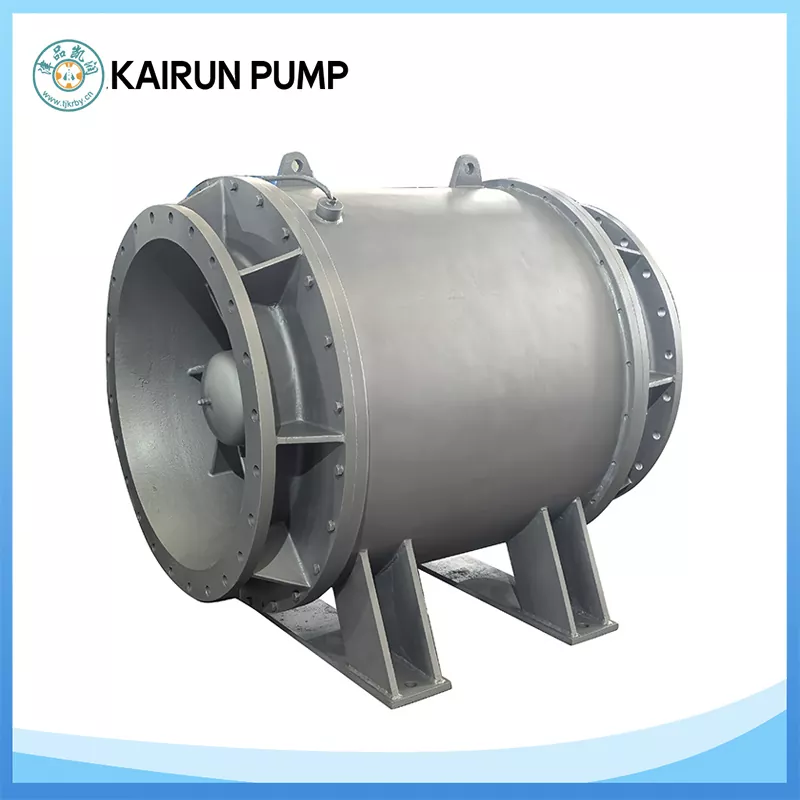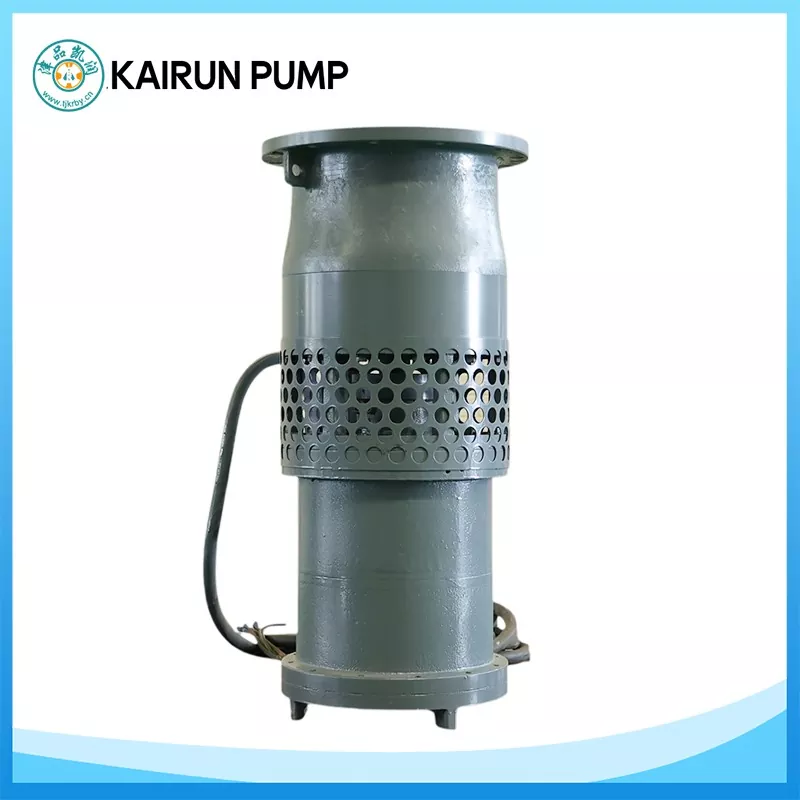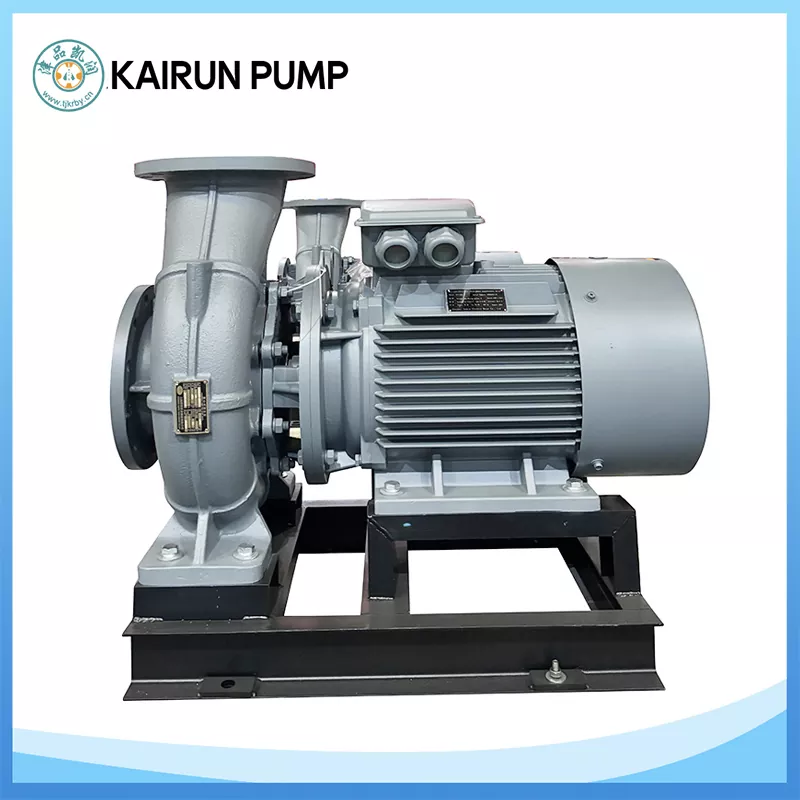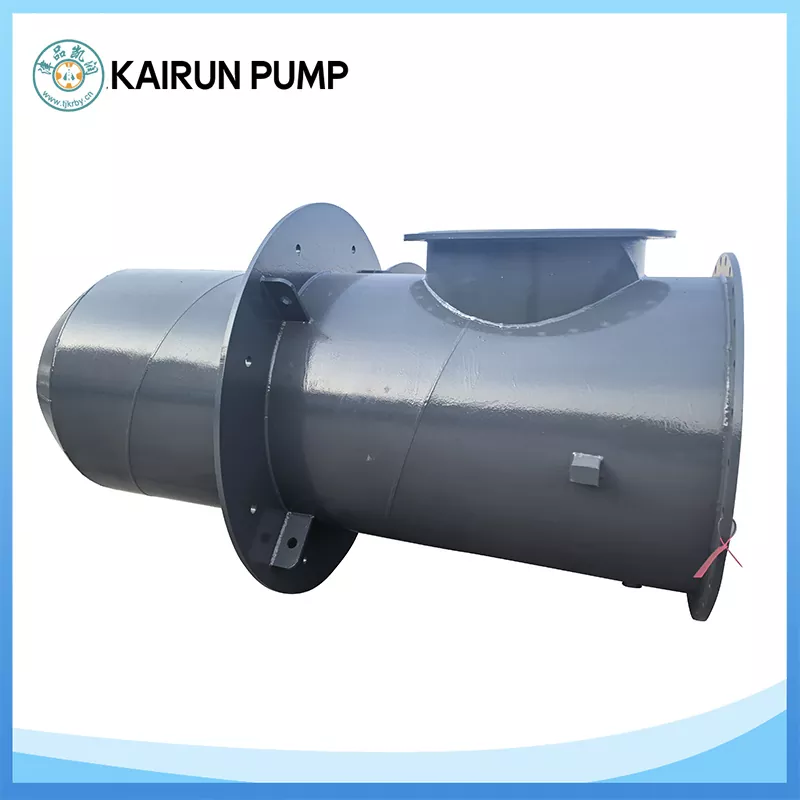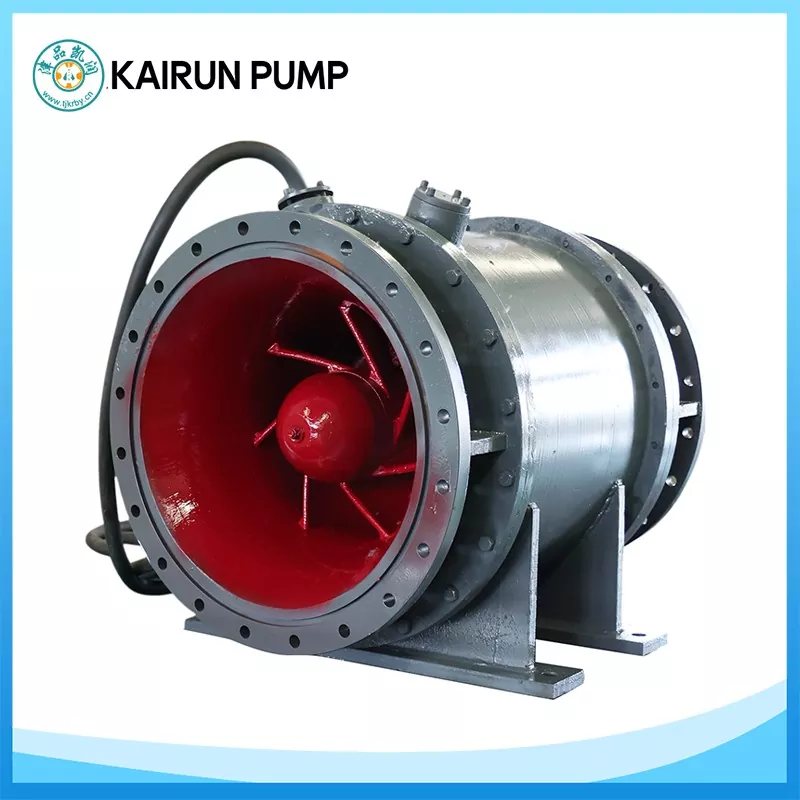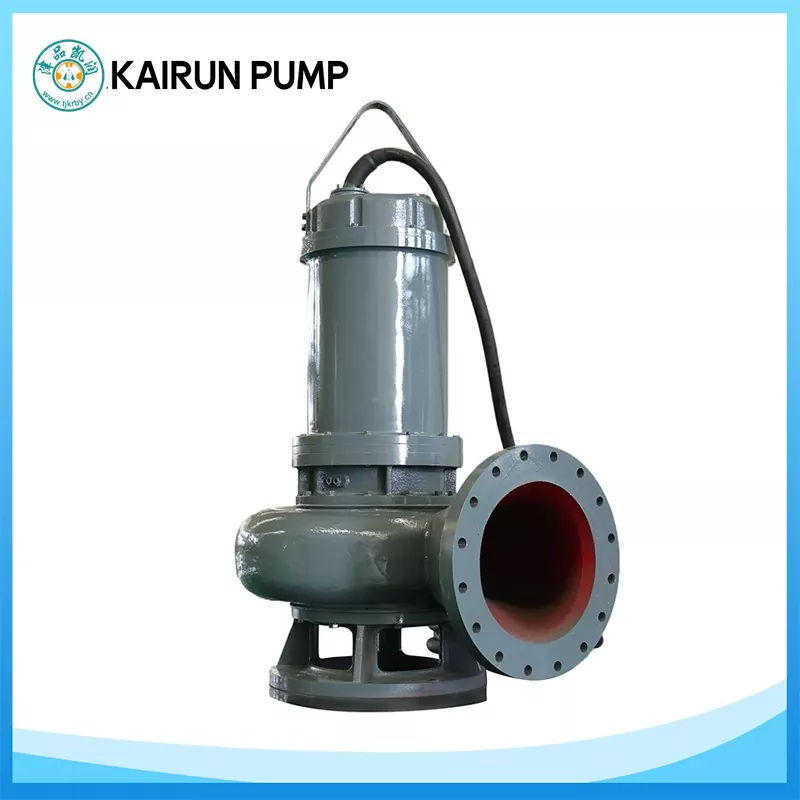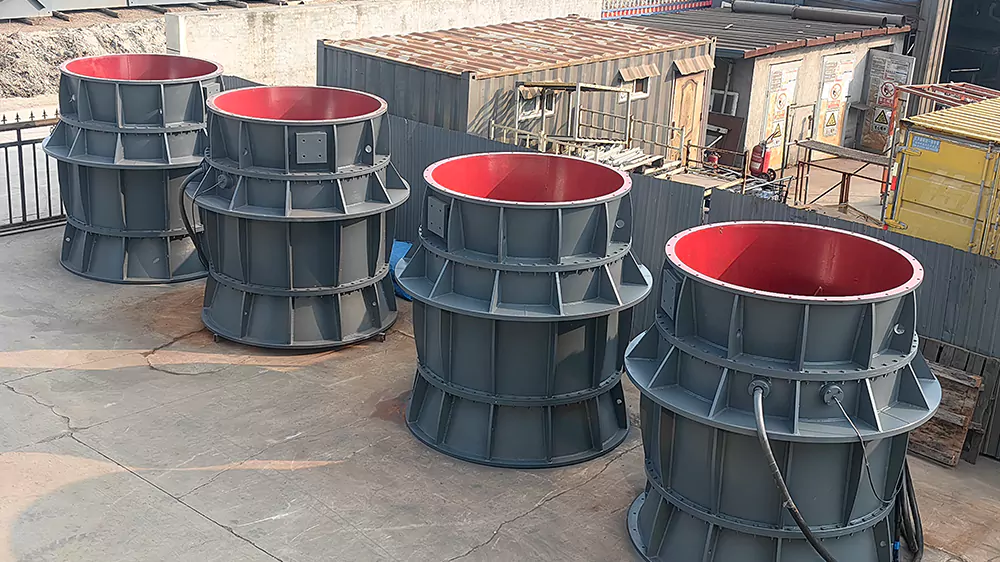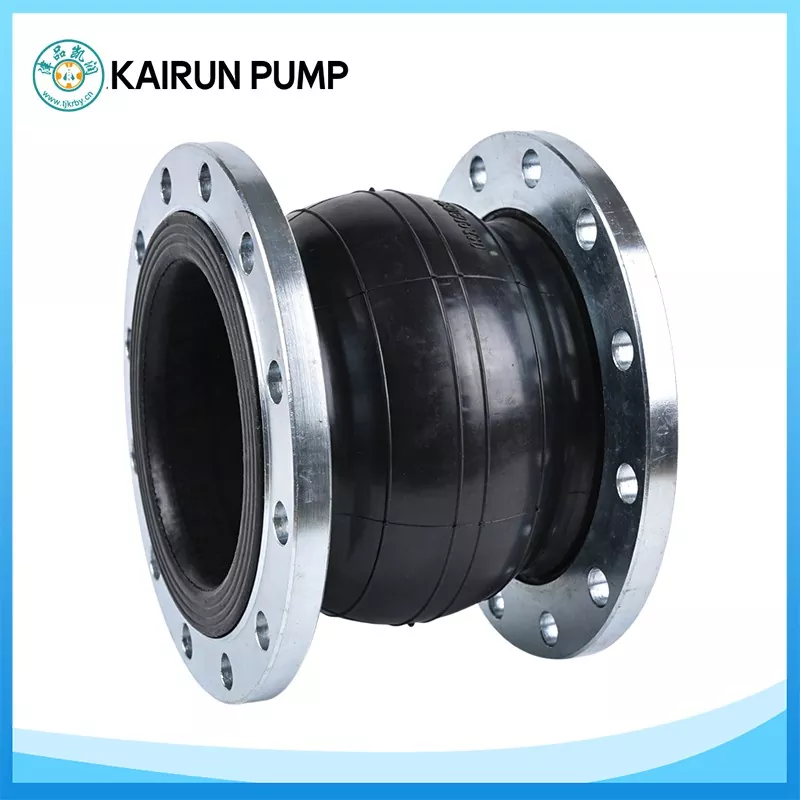

Article Summary: A Submersible Pump is often selected when buyers need stable water transfer, safer operation in wet environments, compact installation, and dependable performance under continuous duty. This article explains how a submersible pump works, where it fits best, what buyers should check before purchasing, and how the right supplier can reduce long-term maintenance pressure. For project owners, contractors, irrigation operators, municipal teams, and industrial buyers, the real question is not simply whether a pump can move water. The real question is whether it can keep moving water with fewer interruptions, lower operating stress, and better project compatibility.
Table of Contents
- Article Outline
- Why Do Water Projects Often Struggle With Pump Selection?
- How Does a Submersible Pump Work in Real Conditions?
- What Benefits Matter Most to Buyers?
- Where Can a Submersible Pump Be Used?
- What Should Buyers Check Before Ordering?
- How Does It Compare With Other Pump Options?
- Why Does Supplier Capability Affect Long-Term Value?
- How Can Buyers Reduce Downtime After Installation?
- FAQ
- Contact Us
Article Outline
- Identify the main pain points behind pump failure, unstable drainage, and high project costs.
- Explain why submerged operation helps a Submersible Pump perform reliably in wells, reservoirs, pumping stations, and drainage sites.
- Compare practical selection factors such as flow rate, head, medium condition, installation space, sealing design, material choice, and motor efficiency.
- Show how different applications require different pump configurations instead of one general solution.
- Provide a buyer-focused checklist for reducing procurement mistakes and improving long-term operating value.
Why Do Water Projects Often Struggle With Pump Selection?
Many water transfer projects do not fail because a pump is completely wrong at first glance. They fail because small mismatches become expensive once the equipment is installed. A pump may have enough power but poor sealing. It may deliver enough flow in theory but lose efficiency when the water level changes. It may fit the budget but require frequent maintenance because the medium contains sand, silt, sewage, or corrosive elements.
For buyers, the pressure is easy to understand. Municipal drainage cannot stop during heavy rainfall. Irrigation networks need stable water delivery during peak agricultural periods. Industrial plants often need pumps that run for long hours without creating excessive vibration, heat, or maintenance risk. A mining or construction drainage system may face abrasive water and demanding site conditions. In these cases, a Submersible Pump is not just a piece of equipment; it becomes part of the project’s risk control system.
A good purchasing decision should answer several practical questions. Can the pump work safely while submerged? Can it reduce suction-related limitations? Can the motor remain protected from water entry? Can the structure handle long-term operation in the selected environment? Can the supplier provide a configuration that fits the real site rather than a generic catalog model?
This is where a well-selected Submersible Pump becomes valuable. Since the pump operates directly in the liquid, it can reduce suction loss, save installation space, and support stable water movement in applications where surface-mounted equipment may be less convenient.
How Does a Submersible Pump Work in Real Conditions?
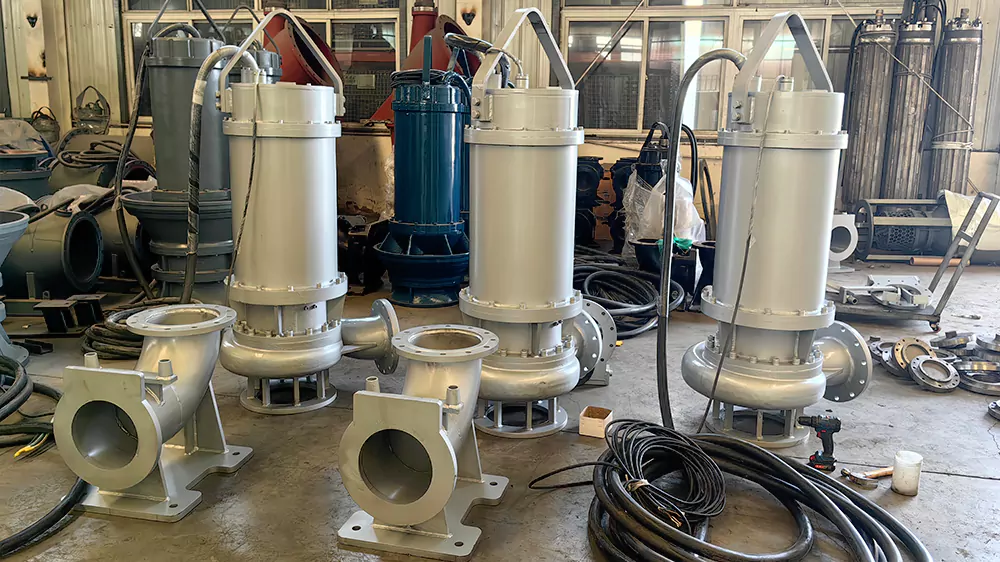
A Submersible Pump is designed to work while fully or partially submerged in the liquid being transported. Instead of pulling water upward through a long suction line, the pump is placed directly in the water source. The motor drives the impeller, the impeller increases the liquid’s velocity, and the pump casing guides the flow toward the discharge pipeline.
This working method matters because suction problems are a common source of inefficiency in pumping systems. When the pump is already inside the liquid, it does not need to create the same suction lift as a surface pump. That helps the system maintain steadier performance, especially in deep wells, reservoirs, flooded areas, underground stations, or drainage pits.
The sealed motor is another important part of the design. A reliable Submersible Pump must protect electrical components from water intrusion. Strong sealing, proper cable protection, suitable insulation, and durable mechanical structures all contribute to safe and stable operation. When buyers compare pump options, the sealing system should never be treated as a minor detail. In wet environments, sealing quality can decide whether the pump runs smoothly or becomes a repeated maintenance problem.
Noise reduction is another practical advantage. Because the pump works underwater, operational noise can be lower than equipment installed in open surface areas. For municipal, commercial, and residential-adjacent projects, this can make the system easier to manage.
What Benefits Matter Most to Buyers?
Buyers often hear broad claims such as “high efficiency” or “durable operation,” but these words only matter when they connect to real project problems. A useful Submersible Pump should help reduce installation difficulty, stabilize water movement, lower maintenance interruptions, and match the working medium.
| Buyer Concern | Why It Matters | How a Suitable Submersible Pump Helps |
|---|---|---|
| Limited installation space | Pumping stations, wells, and underground facilities may not have room for complex surface equipment. | The submerged structure allows compact installation directly in the water source or collection area. |
| Unstable water levels | Reservoirs, rivers, drainage pits, and irrigation systems may face changing water depth. | The pump can continue working in submerged conditions when properly selected for the site. |
| Energy consumption | Long operating hours can make power cost a major part of the total budget. | Reduced suction loss and suitable hydraulic design can support more efficient operation. |
| Downtime risk | Drainage, sewage, mining, and industrial systems cannot afford frequent shutdowns. | Durable sealing, material selection, and proper motor configuration can improve operating reliability. |
| Medium complexity | Clean water, sewage, hot water, mine water, and corrosive liquid require different pump designs. | Different submersible pump types can be matched to the actual liquid and working conditions. |
For project buyers, the main benefit is not only that the pump works underwater. The deeper value is that it can simplify system layout, reduce suction-related limitations, and support continuous operation when the right model is selected.
Where Can a Submersible Pump Be Used?
A Submersible Pump is widely used because water movement is required across many industries. However, different applications should not be treated as identical. A pump used for agricultural irrigation does not face the same working conditions as a pump used in mine drainage or wastewater handling.
- Agricultural irrigation: Used for water delivery from wells, rivers, reservoirs, canals, and irrigation stations.
- Municipal drainage: Suitable for flood control, rainwater discharge, underground drainage, and pumping station projects.
- Industrial water supply: Supports cooling water circulation, process water movement, and general plant water transfer.
- Wastewater treatment: Used where drainage systems require equipment that can operate in wet and demanding environments.
- Mining and construction: Helps remove accumulated water from pits, tunnels, shafts, and temporary work sites.
- River and reservoir management: Supports water transfer, emergency drainage, and water resource control projects.
Tianjin Kairun Pump Industry Co., Ltd. offers product categories connected with large-scale water movement, including submersible pump solutions for different working environments. For buyers, this matters because application matching is often more important than choosing the most powerful pump on paper.
A high-head pump may be necessary for deep discharge. A high-flow pump may be better for flood drainage or large water transfer. A stainless steel pump may be more suitable for corrosive liquid. A high-temperature design may be needed for hot water applications. A mining-focused design may require stronger wear resistance. The right choice begins with the site condition, not with a single specification line.
What Should Buyers Check Before Ordering?
Before purchasing a Submersible Pump, buyers should prepare clear project data. Vague requirements often lead to inaccurate selection, delayed quotations, and higher after-sales risk. A supplier can recommend a better solution when the buyer provides enough technical detail about the project.
| Selection Factor | What to Confirm | Procurement Tip |
|---|---|---|
| Flow rate | The required water volume per hour or per second. | Avoid choosing only by pipe size; confirm actual project demand. |
| Head | The vertical and pipeline resistance the pump must overcome. | Include pipeline length, bends, valves, and discharge height. |
| Liquid condition | Clean water, sewage, hot water, mine water, sandy water, or corrosive liquid. | Medium condition affects impeller, casing, sealing, and material selection. |
| Installation method | Well, tank, reservoir, floating platform, pumping station, or temporary drainage site. | Installation space can influence pump structure and accessories. |
| Power supply | Voltage, frequency, cable distance, and control cabinet needs. | Electrical matching is essential for safe and stable operation. |
| Duty cycle | Intermittent use, daily operation, emergency use, or continuous running. | Long-duty applications require stronger attention to motor cooling and sealing. |
One common mistake is choosing a pump only by price. A low initial cost may become expensive if the pump clogs often, overheats, vibrates excessively, or fails under the real liquid condition. Another mistake is oversizing the pump without checking efficiency. Oversizing can waste energy, increase wear, and create unstable system behavior.
Practical reminder: A good pump inquiry should include flow rate, head, liquid type, temperature, installation environment, working hours, power conditions, and any special material requirements. The more accurate the information, the easier it is to select a pump that fits the project instead of forcing the project to fit the pump.
How Does It Compare With Other Pump Options?
A Submersible Pump is not automatically better for every project. Surface pumps, vertical pumps, centrifugal pumps, sewage pumps, and axial flow pumps all have their own roles. The key is to choose the design that best matches the working environment.
Compared with many surface-mounted pumps, a Submersible Pump can be easier to use in flooded, deep, or space-limited environments. Since it is installed in the liquid, it can reduce suction pipe complexity and support stable intake conditions. This can be especially useful in drainage pits, wells, tanks, and pumping stations where the water source is below ground level.
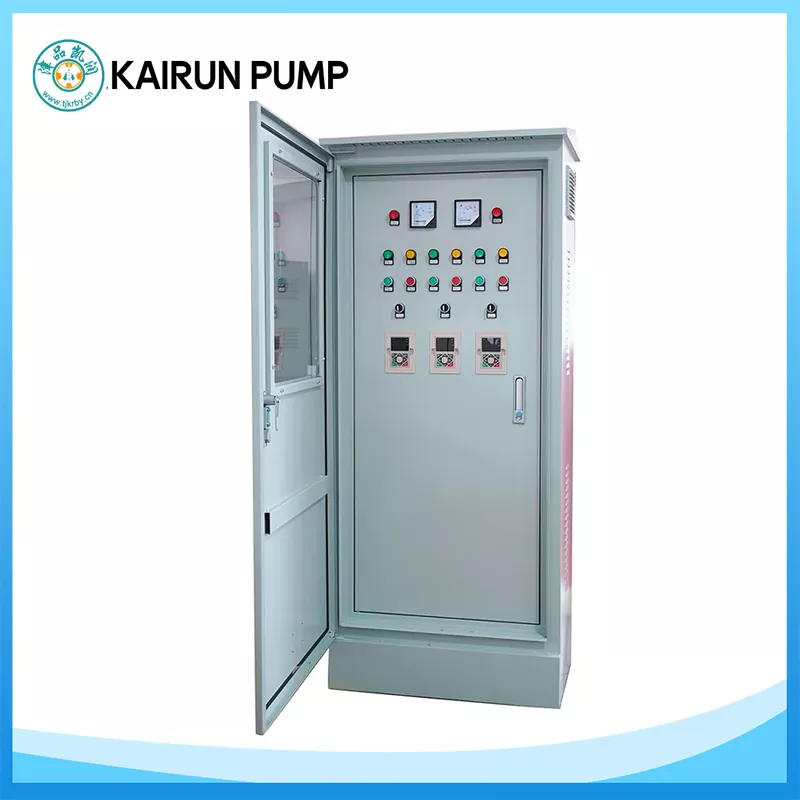
However, buyers should also consider maintenance access. Because the pump is submerged, inspection and lifting arrangements should be planned properly. For permanent installations, guide rails, lifting chains, control cabinets, valves, and monitoring systems may be needed to make operation safer and maintenance easier.
| Pump Type | Best-Fit Situation | Main Consideration |
|---|---|---|
| Submersible Pump | Deep water, drainage pits, wells, reservoirs, flooded sites, compact stations. | Check sealing, motor protection, cable safety, and lifting method. |
| Surface Pump | Accessible installations where the pump can stay dry and suction conditions are stable. | Check suction lift, priming, pipe layout, and noise control. |
| Submersible Sewage Pump | Wastewater and sewage systems where solids or fibers may be present. | Check anti-clogging capacity and impeller design. |
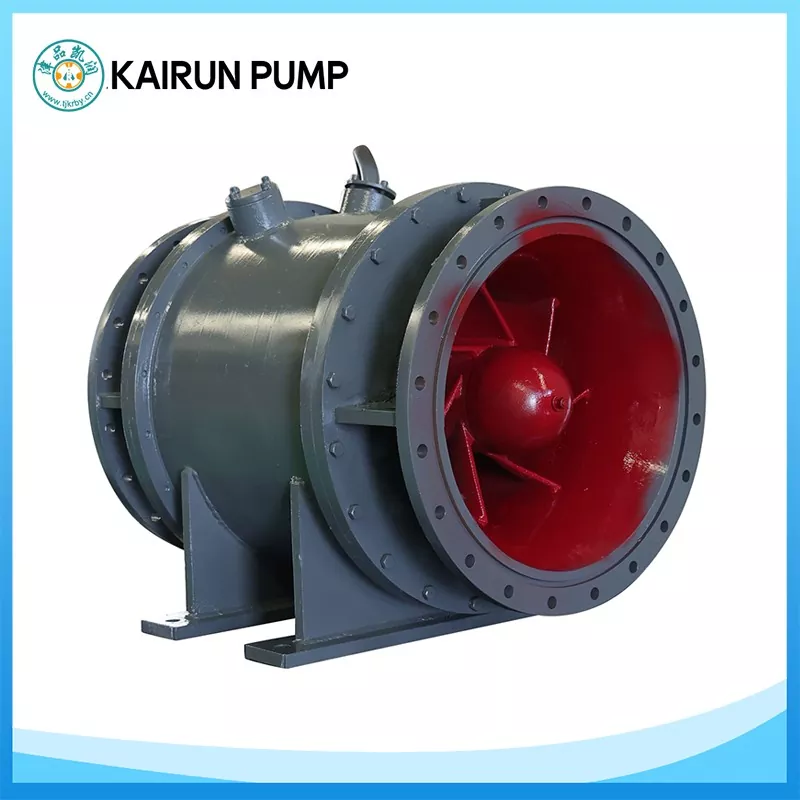
| Axial Flow Pump | Large-flow, low-head water transfer, irrigation, drainage, and flood control. | Check flow demand, installation structure, and water level variation. |
The best purchasing decision comes from matching the pump type to the site, rather than treating every water movement project as the same engineering problem.
Why Does Supplier Capability Affect Long-Term Value?
For project buyers, supplier selection can be just as important as pump selection. A Submersible Pump is often used in systems where downtime causes direct losses. When a pump stops, a construction site may flood, an irrigation schedule may be delayed, a municipal drainage point may become overloaded, or an industrial line may face interruption.
A capable supplier should understand more than product names. The supplier should be able to discuss working conditions, recommend suitable configurations, explain material differences, support testing, and provide matching accessories when needed. Tianjin Kairun Pump Industry Co., Ltd. is connected with pump manufacturing, assembly, testing, and supporting equipment supply, which can help buyers consider the system as a whole rather than viewing the pump as an isolated item.
Buyers should pay attention to whether the supplier can provide technical communication before production. A short conversation about head, flow, liquid condition, and installation method can prevent costly mistakes. For large projects, buyers may also need drawings, performance parameters, motor data, control cabinet options, valves, pipe fittings, and installation guidance.
A reliable supplier does not simply push the biggest model. Instead, it helps the buyer avoid under-selection, over-selection, and wrong-material selection. This is especially important when the project involves corrosive water, hot liquid, heavy sediment, long running hours, or strict delivery schedules.
How Can Buyers Reduce Downtime After Installation?
Even a well-selected Submersible Pump needs proper operation and maintenance. Many failures are not caused by the pump alone but by poor installation, unsuitable electrical protection, blocked intake, wrong operating range, or delayed inspection.
- Check the installation environment: Make sure the pump is positioned correctly and has enough space for water intake.
- Use suitable electrical protection: Overload protection, leakage protection, and control systems help reduce safety risks.
- Inspect cables and seals: Cable damage or seal wear can lead to serious failures in submerged operation.
- Avoid dry running: Running without enough liquid can damage the motor and pump components.
- Monitor abnormal vibration or noise: These signs may indicate clogging, bearing wear, impeller damage, or installation problems.
- Clean the intake area: Debris, fibers, stones, and sediment can reduce performance or cause blockage.
- Record operating data: Flow, current, voltage, and running hours can help maintenance teams detect problems earlier.
Maintenance planning should begin before the pump is installed. If the site is difficult to access, the project should include lifting devices or inspection space. If the liquid contains solids, anti-clogging design and regular cleaning become more important. If the pump runs continuously, the buyer should pay closer attention to motor temperature, bearing condition, and seal reliability.
FAQ
Q1: What is the main advantage of a Submersible Pump?
The main advantage is that it works directly in the liquid, which can reduce suction limitations, save installation space, and support stable operation in wells, tanks, reservoirs, drainage pits, and pumping stations.
Q2: Can one Submersible Pump handle every type of water project?
No. Different projects may require different designs. Clean water, sewage, hot water, mine water, sandy water, and corrosive liquid all place different demands on materials, impellers, motors, and sealing systems.
Q3: How should I choose the right pump size?
You should confirm required flow rate, head, pipe distance, liquid condition, installation method, duty cycle, and power supply. Choosing only by price or pipe diameter can lead to poor performance after installation.
Q4: Is a Submersible Pump suitable for continuous operation?
It can be suitable for continuous operation when the pump is correctly selected for the working condition and supported by proper motor protection, sealing structure, cooling environment, and maintenance planning.
Q5: What information should I provide when requesting a quotation?
Useful information includes flow rate, head, liquid type, liquid temperature, installation site, operating hours, voltage, frequency, cable length, material requirements, and whether valves, control cabinets, or pipe fittings are needed.
Q6: Why is supplier experience important?
Supplier experience helps buyers avoid wrong selection, poor configuration, and mismatched materials. A knowledgeable supplier can recommend a pump according to actual project conditions rather than offering a one-size-fits-all model.
What Should You Do Before Your Next Pump Purchase?
If your project requires stable drainage, water transfer, irrigation support, industrial water supply, or customized pumping equipment, choosing the right Submersible Pump can help reduce installation pressure and long-term operating risk. Tianjin Kairun Pump Industry Co., Ltd. can support buyers with practical product selection based on flow rate, head, medium condition, installation space, and project requirements.
To discuss your working conditions, compare suitable pump options, or request a tailored solution, please contact us today and let our team help you move from uncertain selection to a clearer, more reliable pumping plan.