English
- English
- Español
- Português
- русский
- Français
- 日本語
- Deutsch
- tiếng Việt
- Italiano
- Nederlands
- ภาษาไทย
- Polski
- 한국어
- Svenska
- magyar
- Malay
- বাংলা ভাষার
- Dansk
- Suomi
- हिन्दी
- Pilipino
- Türkçe
- Gaeilge
- العربية
- Indonesia
- Norsk
- تمل
- český
- ελληνικά
- український
- Javanese
- فارسی
- தமிழ்
- తెలుగు
- नेपाली
- Burmese
- български
- ລາວ
- Latine
- Қазақша
- Euskal
- Azərbaycan
- Slovenský jazyk
- Македонски
- Lietuvos
- Eesti Keel
- Română
- Slovenski
- मराठी
- Srpski језик

How Can Water Pump Control Valve Prevent Costly Pump System Failures?
Article Summary: A water pumping system rarely fails because of one dramatic event. More often, problems begin with unstable pressure, poor flow regulation, backflow, water hammer, frequent pump starts, or a valve that cannot respond properly to real operating conditions. This article explains how a Water Pump Control Valve helps protect pumps, pipelines, motors, and project budgets. It also shows how buyers, engineers, contractors, and facility managers can choose a practical valve solution for municipal water supply, drainage, irrigation, flood control, industrial circulation, and pumping station applications.
Table of Contents
- 1. Why Does Pump System Failure Usually Start With Poor Control?
- 2. What Problems Can a Water Pump Control Valve Solve?
- 3. How Does a Water Pump Control Valve Work in Real Projects?
- 4. Which Factors Should Buyers Check Before Choosing a Valve?
- 5. What Valve Options Are Commonly Used With Pump Systems?
- 6. Where Can Water Pump Control Valve Solutions Be Used?
- 7. Why Does Supplier Experience Matter for Pump Valve Projects?
- 8. Blog Outline for Quick Review
- 9. FAQ
- 10. Final Thoughts
Why Does Pump System Failure Usually Start With Poor Control?
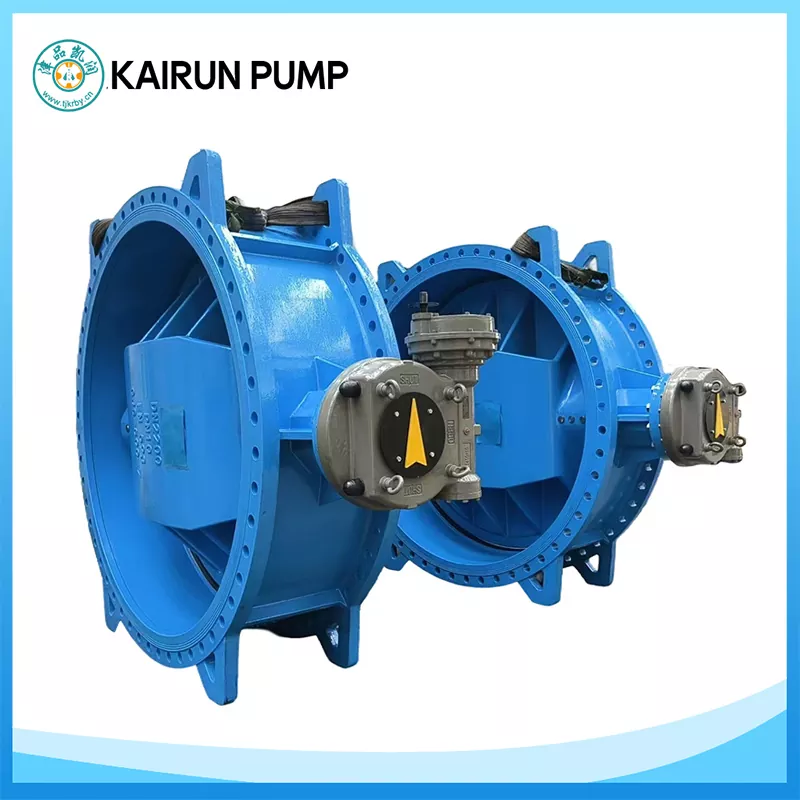
In many water transfer projects, the pump receives most of the attention. Buyers compare pump power, flow rate, head, motor efficiency, and installation method, but the control valve is sometimes treated as a small accessory. That is a costly mistake. A pump may generate the required flow, but without stable valve control, the entire system can suffer from pressure shocks, reverse flow, vibration, leakage, and unnecessary energy consumption.
A Water Pump Control Valve is designed to manage how water moves through the pipeline before, during, and after pump operation. It helps regulate pressure, control flow direction, reduce sudden impact, and protect connected equipment. When selected correctly, it acts like a quiet safety manager inside the pipeline. It does not draw attention when everything is working well, but when operating conditions change, its value becomes obvious.
For contractors and project owners, the real question is not whether a valve can open and close. The more important question is whether the valve can protect the pump system under changing pressure, frequent starts, long operating hours, and demanding field conditions. This is where a well-matched Water Pump Control Valve becomes a long-term investment rather than a simple component purchase.
Key point: A pump creates movement, but the control valve decides whether that movement remains stable, safe, and efficient throughout the system.
What Problems Can a Water Pump Control Valve Solve?
Pumping systems often operate in environments where flow demand changes throughout the day. Municipal networks may face peak consumption periods. Irrigation systems may switch between different zones. Industrial water circulation may experience changes in temperature, pressure, or process demand. Drainage and flood control systems may need fast response during sudden water level increases.
Without the right valve control, these changes can create several painful problems for project owners:
- Water hammer: Sudden pressure surges can damage pipes, seals, joints, and pump components.
- Backflow: Reverse flow may cause pump reversal, contamination risks, or mechanical stress.
- Unstable pressure: Poor regulation can lead to system noise, vibration, leakage, and user complaints.
- Excessive energy use: A poorly controlled system may force pumps to work harder than necessary.
- Frequent maintenance: Repeated pressure impact and unstable flow can shorten equipment service life.
- Unexpected downtime: One failed valve can stop an entire pumping station or production line.
A properly selected Water Pump Control Valve can reduce these risks by coordinating with pump operation. It helps the system start smoothly, operate steadily, and shut down safely. For facilities where downtime is expensive, this protection can be more valuable than the valve itself.
How Does a Water Pump Control Valve Work in Real Projects?
In practical use, a Water Pump Control Valve is installed in the pipeline to control water flow according to system requirements. Depending on the design, it may provide opening and closing control, flow regulation, pressure stabilization, backflow prevention, or system isolation. Some projects use manual operation, while others require electric, pneumatic, or automated control for easier integration with pump stations and monitoring systems.
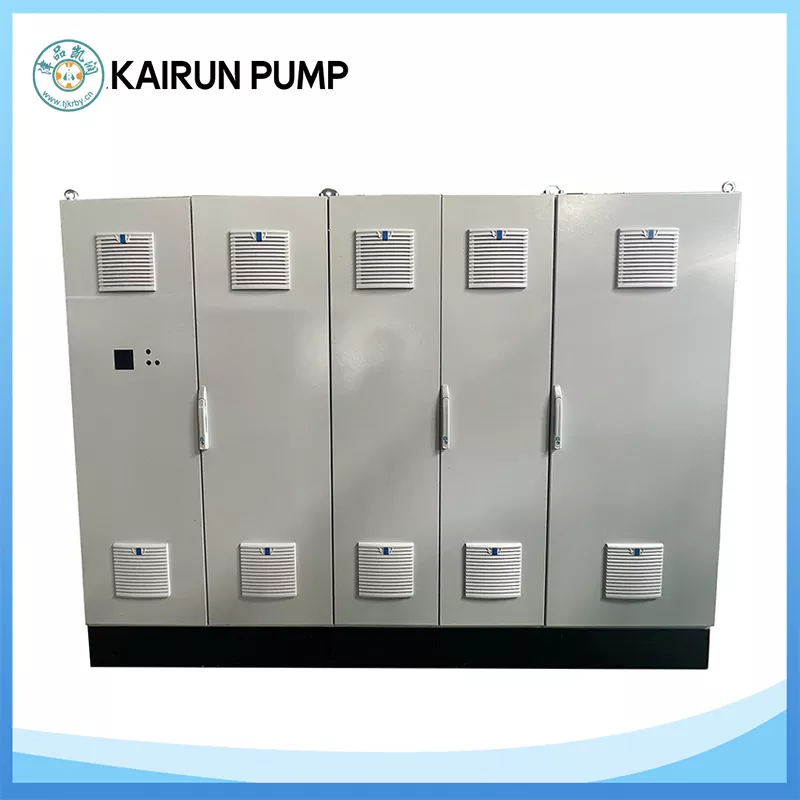
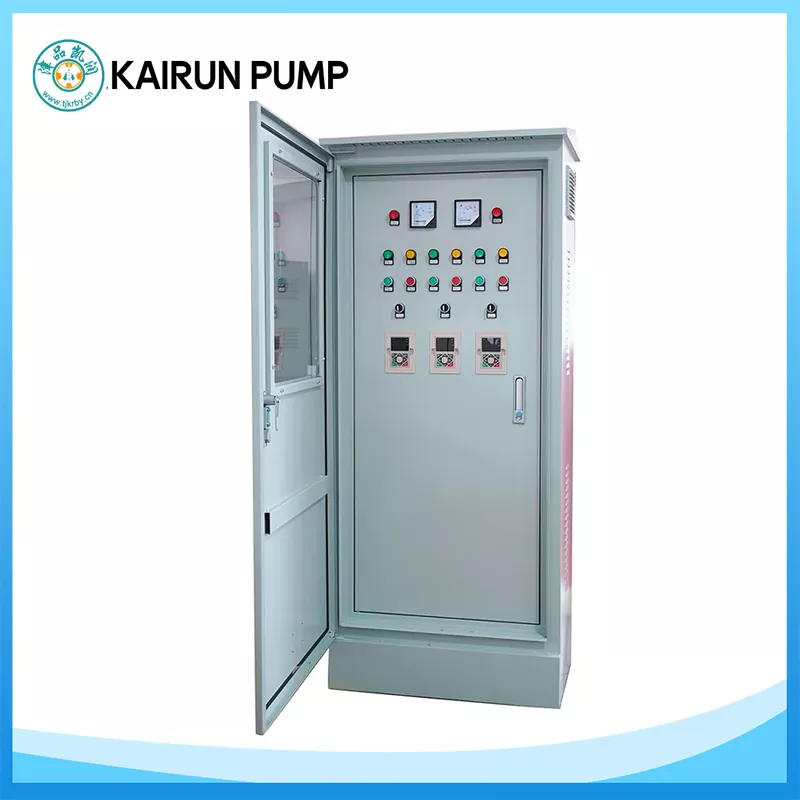
During pump startup, the valve can help avoid a sudden rush of water that may shock the pipeline. During normal operation, it supports stable flow and pressure. During shutdown, it can help prevent reverse flow and reduce impact on the pump. In automated systems, the valve may work together with sensors, control cabinets, and monitoring platforms to improve operating efficiency.
This is especially important in large-scale water projects where a single pump may serve a long pipeline, multiple discharge points, or a fluctuating water source. In these conditions, the valve must do more than simply match pipe size. It must match the real behavior of the whole system.
| Operating Stage | Common Risk | How the Valve Helps |
|---|---|---|
| Pump startup | Sudden pressure rise and pipeline impact | Supports smoother flow entry and reduces pressure shock |
| Normal operation | Unstable flow, vibration, and energy waste | Helps regulate water movement and maintain system balance |
| Demand fluctuation | Pressure instability and inefficient pump output | Improves response to changing flow requirements |
| Pump shutdown | Backflow, pump reversal, and water hammer | Helps control closing action and reduce reverse-flow damage |
| Maintenance period | Unsafe isolation or difficult equipment servicing | Allows sections of the system to be isolated more safely |
Which Factors Should Buyers Check Before Choosing a Valve?
Choosing a Water Pump Control Valve should never be based only on price or pipe diameter. A valve that looks suitable on paper may fail early if it is not matched to water quality, flow rate, pressure range, installation space, control method, or maintenance conditions.
Before purchasing, buyers should review the following points carefully:
- Pipeline size and connection standard: The valve must match the project’s actual pipe specification and installation method.
- Flow rate and pressure range: Oversized or undersized valves may cause poor control, noise, or unstable operation.
- Water medium: Freshwater, wastewater, seawater, or industrial water may require different body materials and sealing structures.
- Control mode: Manual, electric, pneumatic, or automated operation should be selected according to project management needs.
- Installation environment: Outdoor pumping stations, underground chambers, humid areas, and corrosive sites may require stronger protection.
- Maintenance accessibility: A good valve choice should consider inspection, cleaning, repair, and replacement convenience.
- System compatibility: The valve should work smoothly with pumps, motors, control cabinets, sensors, and pipeline layout.
A reliable supplier will usually ask about operating conditions before recommending a model. This is not a delay in the buying process. It is a necessary step to prevent wrong selection. When the valve is part of a larger pump system, technical matching is often the difference between stable operation and repeated after-sales problems.
Buyer reminder: The cheapest valve is not always the lowest-cost choice. A poorly matched valve may increase maintenance costs, energy use, and downtime risk over the full service life of the project.
What Valve Options Are Commonly Used With Pump Systems?
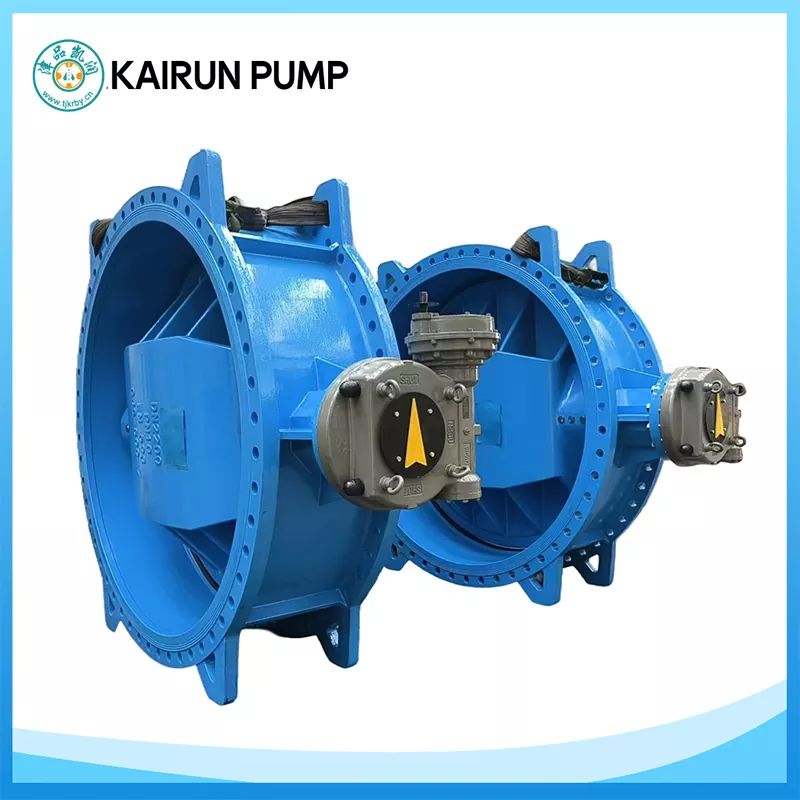
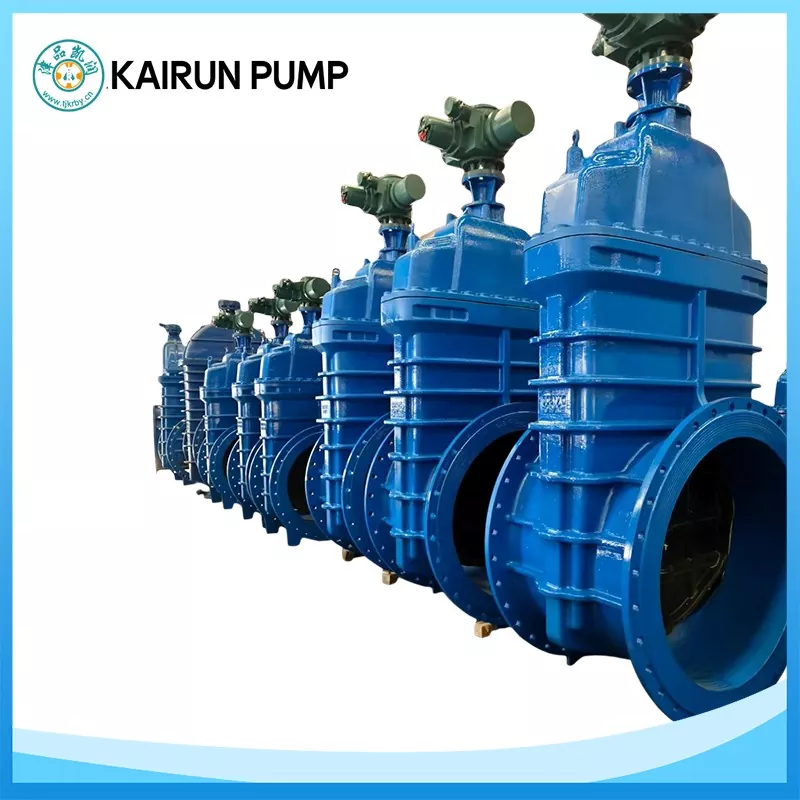
Different pump systems may require different valve structures. In many water projects, gate valves and butterfly valves are commonly used because they can support isolation, shut-off, flow control, and efficient pipeline operation. The best choice depends on the project’s pressure level, flow requirement, operating frequency, installation space, and maintenance plan.
| Valve Type | Main Function | Typical Advantage | Suitable Use |
|---|---|---|---|
| Gate Valve | Pipeline isolation and full open or close control | Low flow resistance when fully open | Water supply, drainage, pump station isolation, industrial pipelines |
| Butterfly Valve | Fast opening, closing, and flow regulation | Compact structure and convenient operation | Large-diameter pipelines, limited installation spaces, frequent operation systems |
| Check Function Valve | Backflow prevention | Protects pumps from reverse flow impact | Pump outlets, drainage systems, water transfer lines |
| Automatic Control Valve | Regulation through electric, pneumatic, or system-linked control | Improves management efficiency and response speed | Modern pumping stations, smart water systems, industrial circulation projects |
For a project owner, the correct choice is rarely about one valve being universally better than another. It is about choosing the valve that fits the operating conditions. A Water Pump Control Valve should match the pump’s duty point, pipeline layout, expected operating frequency, and long-term maintenance plan.
Where Can Water Pump Control Valve Solutions Be Used?
Because water movement is central to many industries, Water Pump Control Valve solutions are used across a wide range of projects. Their role is especially important wherever water must be transferred safely, efficiently, and continuously.
- Municipal water supply: Supports stable pressure and reliable pipeline operation in urban water networks.
- Drainage systems: Helps manage water discharge and protect pump equipment from reverse flow.
- Irrigation projects: Improves control across different irrigation zones and changing field demand.
- Flood control stations: Supports high-flow operation during urgent drainage and water-level management.
- Industrial circulation: Helps maintain steady water movement for cooling, processing, and utility systems.
- Mining and construction water handling: Provides control support for demanding water transfer environments.
- Pumping stations: Works with pumps, motors, control cabinets, and monitoring systems for coordinated operation.
In these applications, reliability matters because the valve is often installed in a position where failure can affect more than one piece of equipment. If the valve cannot seal properly, respond smoothly, or withstand the working environment, the entire system may become unstable.
Why Does Supplier Experience Matter for Pump Valve Projects?
A valve supplier should understand more than the valve itself. For pump-related projects, supplier experience in water systems, pump matching, pipeline conditions, installation requirements, and real operating problems is very important. This is why many buyers prefer to work with manufacturers that can provide both pump products and related control solutions.
Tianjin Kairun Pump Industry Co., Ltd. provides pump-related products and water control solutions for applications such as water supply, drainage, irrigation, flood control, and industrial fluid handling. For buyers looking for a Water Pump Control Valve, working with a supplier familiar with pump system behavior can make communication more efficient and reduce the risk of incorrect selection.
In practical procurement, the supplier should be able to discuss the project’s flow rate, head, medium, pressure level, installation layout, valve material, sealing performance, and control method. A good technical conversation before ordering often prevents many problems after installation.
The right supplier can also help buyers think beyond the first purchase. Long-term use involves spare parts, maintenance guidance, project documentation, delivery schedules, and technical support. For engineering contractors and facility operators, this support can be just as important as the product specification.
Blog Outline for Quick Review
For readers who need a fast decision-making structure, the main points of this article can be summarized as follows:
- A pump system needs stable valve control to avoid water hammer, backflow, pressure shock, and equipment damage.
- A Water Pump Control Valve helps coordinate flow, pressure, and pump operation throughout startup, running, and shutdown.
- Valve selection should consider pipeline size, pressure range, water medium, control method, installation environment, and maintenance access.
- Gate valves, butterfly valves, check-function valves, and automatic control valves each serve different project needs.
- Applications include municipal water supply, drainage, irrigation, flood control, industrial circulation, mining, construction, and pumping stations.
- Supplier experience matters because a valve must fit the whole water system, not just the pipe connection.
FAQ
Q1: Is a Water Pump Control Valve necessary for every pump system?
In most engineered pump systems, some form of valve control is necessary. The exact type depends on the project. Small systems may need simple shut-off or check functions, while larger pumping stations may require advanced flow, pressure, or automated control.
Q2: Can the wrong valve damage a pump?
Yes. A mismatched valve can cause unstable pressure, water hammer, backflow, excessive vibration, or poor flow conditions. Over time, these problems may damage pumps, seals, motors, pipes, and connected equipment.
Q3: What information should I provide before asking for a quotation?
It is helpful to provide pipe diameter, flow rate, pressure range, water medium, pump type, installation position, control method, working environment, and any special requirements. Clear information allows the supplier to recommend a more suitable valve solution.
Q4: Should I choose a manual or automatic control valve?
Manual valves are suitable for simpler systems or places where frequent adjustment is not required. Automatic control valves are better for pump stations, industrial systems, and projects requiring remote control, precise regulation, or integration with monitoring systems.
Q5: How can I reduce water hammer in a pumping system?
Water hammer can be reduced through proper valve selection, controlled opening and closing, correct pipeline design, pressure management, and suitable pump operation procedures. A well-matched Water Pump Control Valve can play an important role in reducing pressure surges.
Q6: How often should a pump control valve be inspected?
Inspection frequency depends on water quality, operating hours, pressure conditions, and project importance. Systems handling wastewater, corrosive media, or continuous operation usually require more frequent checks than clean-water systems with lighter duty.
Q7: Can one valve type fit all pump projects?
No. Different projects may require different valve structures, materials, sealing designs, and control methods. A customized recommendation is often safer than choosing a general model without technical review.
How Should Buyers Make the Final Decision?
A reliable pump system is not built by selecting a pump alone. It depends on how well the pump, valve, pipeline, motor, control cabinet, and operating conditions work together. A Water Pump Control Valve may look like a single pipeline component, but it directly affects system safety, energy use, maintenance frequency, and long-term operating stability.
Buyers should look beyond basic dimensions and ask practical questions. Will the valve reduce water hammer? Can it prevent backflow? Is the material suitable for the water medium? Can it handle the pressure range? Is the control method suitable for the site? Can the supplier provide technical support when project conditions are complex?
For municipal, agricultural, industrial, and infrastructure water projects, careful valve selection can prevent expensive failures before they happen. That is why a well-designed Water Pump Control Valve should be treated as an essential protection point in the whole pumping system.
Ready to Improve Your Pump System Reliability?
If you are planning a water supply, drainage, irrigation, flood control, or industrial water transfer project, Tianjin Kairun Pump Industry Co., Ltd. can help you choose a suitable Water Pump Control Valve based on your working conditions. Share your project details with our team, and we will help you review the valve type, material, pressure range, control method, and matching pump solution.
For technical selection, project consultation, or a customized quotation, please contact us today and let our team help you build a safer, more stable, and more efficient water pumping system.
Related News
- Sluice Gate Axial Flow Pumps Gain Attention as Cities Upgrade Flood Control and Drainage Systems
- What Makes Tubular Pump Selection So Critical for High-Flow Water Projects?
- What Makes Vertical Axial Flow Pump the Right Choice for High-Flow Water Projects?
- How Can a Motor Control Center Solve Pump System Downtime and Energy Waste?
- How Can Water Pump Accessories Reduce Pump Downtime?
- What Makes a Submersible Pump the Better Choice for Demanding Water Projects?
Leave me a message