English
- English
- Español
- Português
- русский
- Français
- 日本語
- Deutsch
- tiếng Việt
- Italiano
- Nederlands
- ภาษาไทย
- Polski
- 한국어
- Svenska
- magyar
- Malay
- বাংলা ভাষার
- Dansk
- Suomi
- हिन्दी
- Pilipino
- Türkçe
- Gaeilge
- العربية
- Indonesia
- Norsk
- تمل
- český
- ελληνικά
- український
- Javanese
- فارسی
- தமிழ்
- తెలుగు
- नेपाली
- Burmese
- български
- ລາວ
- Latine
- Қазақша
- Euskal
- Azərbaycan
- Slovenský jazyk
- Македонски
- Lietuvos
- Eesti Keel
- Română
- Slovenski
- मराठी
- Srpski језик

How Can a Submersible Sewage Pump End Drainage Failure, Clogging, and Costly Downtime?
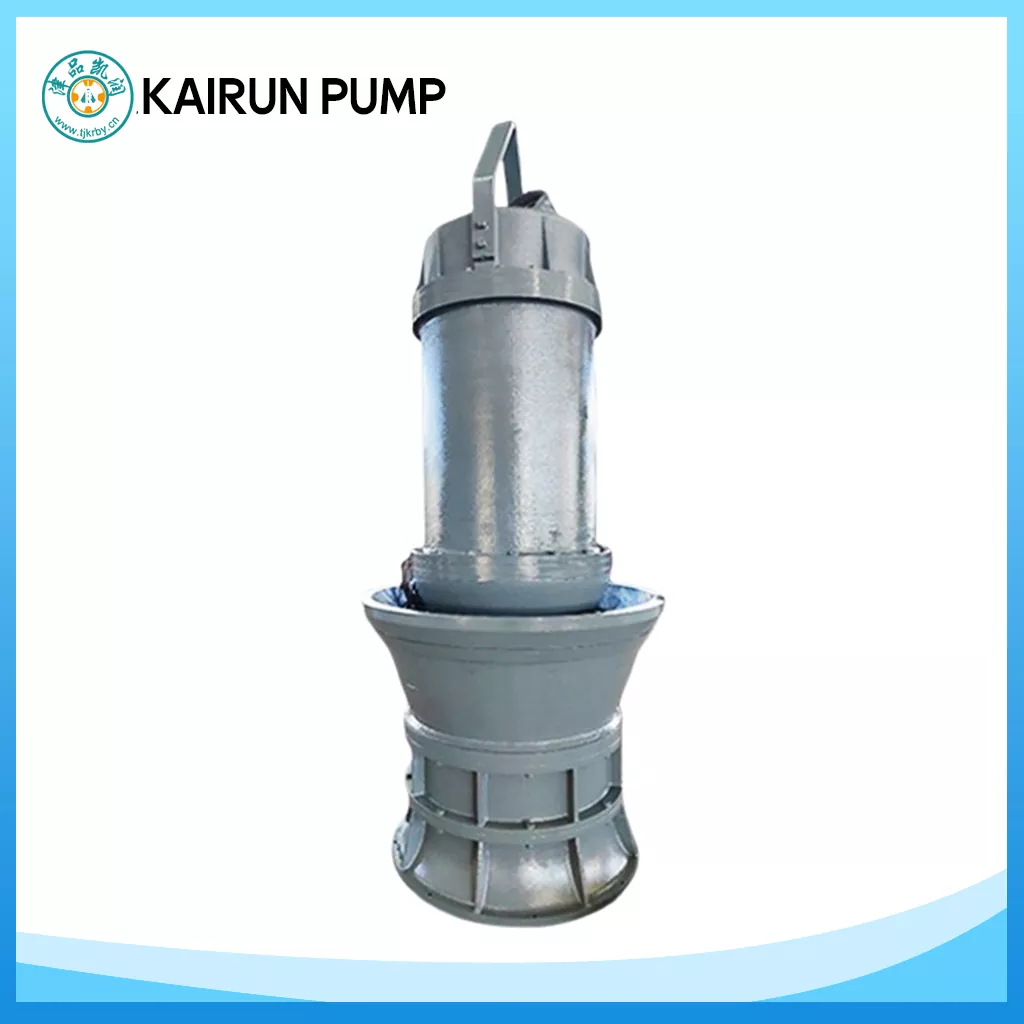
When wastewater has to move out of pits, tanks, basements, or collection points, delays turn into odor, overflow, corrosion, and emergency maintenance far too quickly. That is exactly why a Submersible Sewage Pump matters. Instead of treating sewage transfer like an afterthought, smart buyers look for equipment that can keep solids moving, reduce blockage risk, stay stable under load, and fit real operating conditions rather than ideal ones. For companies, property managers, and public works teams, the real issue is not simply buying a pump. The real issue is choosing one that keeps performing when the liquid is dirty, the duty cycle is demanding, and nobody has time for constant repairs.
In this article, we will break down what buyers actually need to know before choosing a Submersible Sewage Pump, which design details affect performance, what common mistakes lead to expensive failures, and how manufacturers such as Tianjin Kairun Pump Industry Co., Ltd. fit into the conversation when reliability and long-term value matter.
Article Summary
A Submersible Sewage Pump is built to move wastewater that may contain solids, fibers, sludge, and other debris from low-lying collection points to discharge systems or treatment lines. The best choices are not defined by a single specification on paper. They are defined by how well they resist clogging, handle varying flow conditions, tolerate corrosive media, simplify installation, and reduce maintenance pressure over time. This guide explains the biggest buyer pain points, compares key selection factors, and shows how to evaluate pump value with more confidence.
Table of Contents
- Article Outline
- What Makes a Submersible Sewage Pump Different?
- What Problems Are Buyers Really Trying to Solve?
- Which Features Matter Most Before You Buy?
- How Do Key Buying Factors Compare?
- What Buying Mistakes Lead to Early Failure?
- How Can You Extend Service Life After Installation?
- Why Does Manufacturer Strength Matter More Than You Think?
- FAQ
- Conclusion
Article Outline
- Define the working role of a Submersible Sewage Pump in practical drainage systems
- Identify the pain points buyers face in municipal, commercial, industrial, and building drainage scenarios
- Explain which technical and structural details directly affect daily performance
- Use a clear comparison table to make buying decisions easier
- Highlight avoidable procurement errors that increase operating costs
- Show how routine care improves lifespan and reduces unexpected stoppages
- Close with a confidence-building summary and action-oriented contact message
What Makes a Submersible Sewage Pump Different?
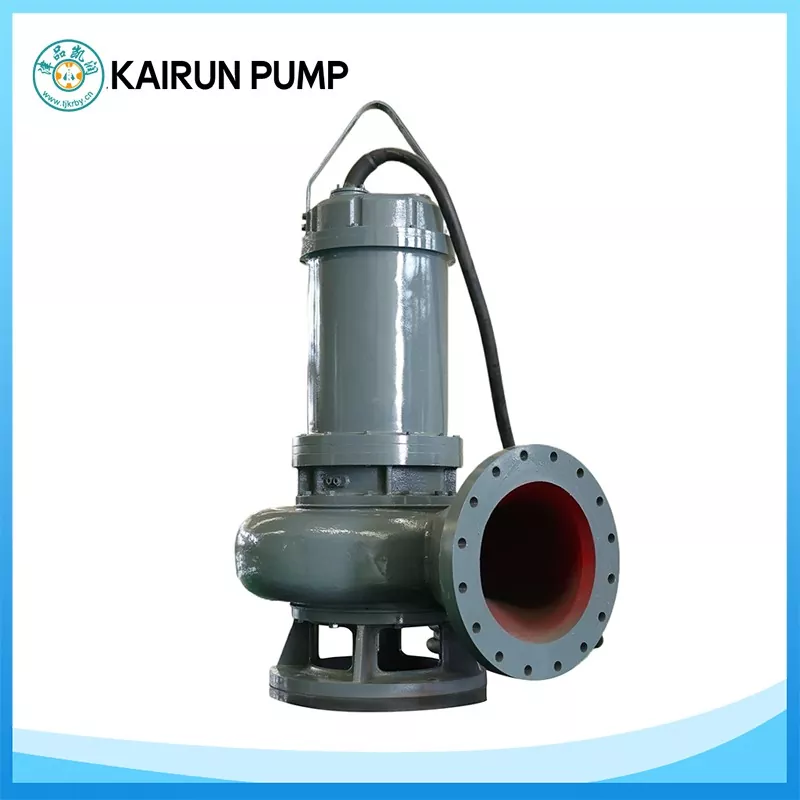
A Submersible Sewage Pump is designed to work while fully submerged in the liquid it is pumping. That sounds simple, but it solves several operational problems at once. Because the pump sits directly in the wastewater source, it does not depend on long suction arrangements that often make conventional setups harder to prime, noisier to run, and more vulnerable to flow instability.
In practical terms, this kind of pump is commonly chosen for sewage pits, wastewater tanks, lifting stations, underground drainage zones, factory discharge systems, and basement flood control. In these environments, liquid is rarely clean. It may carry suspended solids, fibrous matter, silt, grease, or soft sludge. That is why a standard water pump and a sewage pump cannot be treated as interchangeable.
The real value of a Submersible Sewage Pump is not just that it moves liquid. It is that it keeps moving liquid when the medium is messy, the space is limited, and shutdowns are unacceptable.
What Problems Are Buyers Really Trying to Solve?
Most buyers are not shopping for a pump because they are curious about pump technology. They are trying to stop a recurring operational headache. Overflow complaints, bad odor, blocked impellers, repeated maintenance visits, rising power bills, and uncertain service life are the issues that usually push a replacement or upgrade decision.
Here are the pain points that come up again and again:
- Frequent clogging: Fibers, debris, and sludge interrupt flow and force manual cleaning.
- Unexpected downtime: A failed pump can halt drainage, delay production, or damage facilities.
- Corrosive wastewater: Some sites handle chemically aggressive media that wear ordinary materials too quickly.
- Tight installation conditions: Basements, pits, and compact stations leave little room for oversized systems.
- High maintenance burden: Teams want reliable operation, not equipment that constantly demands attention.
- Unclear product matching: Buyers often know the application but are less certain about the correct configuration.
That last point is more important than it looks. Many purchasing mistakes happen because the buyer focuses only on price or power rating, while the actual trouble starts with solids content, working temperature, medium composition, installation depth, start-stop frequency, or discharge requirements.
Which Features Matter Most Before You Buy?
A good purchase decision usually comes from matching structure to use case. That means asking not just “How much flow do I need?” but also “What exactly is inside the liquid?” and “How often will this pump need to run under real conditions?”
Here are the features that deserve serious attention:
- Impeller design: Anti-clogging geometry is essential when solids or fibrous materials are present.
- Material choice: Cast iron may suit many standard sewage duties, while stainless steel becomes more attractive when corrosion risk rises.
- Seal reliability: The sealing system directly affects motor safety and long-term durability.
- Motor protection: Stable submerged operation depends on dependable insulation and protection against demanding environments.
- Solids handling ability: Not every pump is equally suited for sludge, soft waste, sediment, or mixed wastewater.
- Maintenance accessibility: Easier servicing reduces total ownership friction over time.
- Efficiency under real load: Lower energy waste matters when the pump runs daily or continuously.
Buyers who overlook these details often end up paying twice: once for the pump, and again for the repairs, interruptions, and rushed replacements that follow.
How Do Key Buying Factors Compare?
If you are comparing options, it helps to step back from marketing language and look at the purchase through an operations lens. The table below simplifies what many teams are actually balancing.
| Buying Factor | Why It Matters | What to Watch Out For |
|---|---|---|
| Clog Resistance | Reduces stoppages and emergency cleaning in solids-heavy wastewater | Pumps that look adequate on paper but struggle with fibers, sludge, or suspended waste |
| Material Durability | Affects corrosion resistance, wear life, and reliability in dirty media | Using standard materials in chemically aggressive or abrasive conditions |
| Installation Simplicity | Improves project efficiency and lowers setup complexity in pits or tanks | Bulky configurations that complicate confined-space installation |
| Maintenance Demand | Determines how often teams need to inspect, clean, or repair the pump | Buying a lower-cost unit that becomes labor-intensive later |
| Energy Performance | Impacts operating cost over long service periods | Focusing on upfront cost while ignoring daily electricity burden |
| Application Matching | Ensures the pump fits municipal, industrial, building, or specialized sewage use | Choosing based on a generic label instead of actual wastewater characteristics |
This is exactly where a well-positioned supplier can help. A serious manufacturer does not just offer a product catalog. It helps narrow down the right configuration for the job.
What Buying Mistakes Lead to Early Failure?
Some pump problems start long before installation. They begin during selection. The most common procurement mistakes are surprisingly ordinary, which is why they are so easy to repeat.
- Choosing only by price: A cheaper unit that clogs or wears out quickly is rarely the lower-cost option in the end.
- Ignoring the actual medium: Wastewater content changes everything, including impeller choice and material selection.
- Overlooking maintenance realities: A technically acceptable pump may still be a poor fit if servicing it is inconvenient or frequent.
- Assuming all sewage pumps are the same: Different designs serve different solid loads, chemical conditions, and operational patterns.
- Buying without application guidance: When the installation environment is complex, generic assumptions create expensive mismatches.
Buyers who avoid these errors usually have one thing in common: they evaluate the pump as part of the whole drainage system, not as an isolated item on a quote sheet.
How Can You Extend Service Life After Installation?
Even a strong Submersible Sewage Pump performs best when operation and maintenance are treated seriously. That does not mean complex upkeep. It means disciplined basics.
A few practical habits can make a noticeable difference:
- Inspect running conditions regularly rather than waiting for visible failure.
- Monitor for vibration, unusual noise, or repeated overload events.
- Keep an eye on changes in wastewater composition if the process upstream has changed.
- Review seals, cable condition, and installation stability during planned service windows.
- Do not let a small clogging pattern become a normal condition.
In many projects, lifespan is less about luck and more about whether teams respond early to minor warning signs. A pump that is properly matched and reasonably maintained is far less likely to turn into a surprise expense.
Why Does Manufacturer Strength Matter More Than You Think?
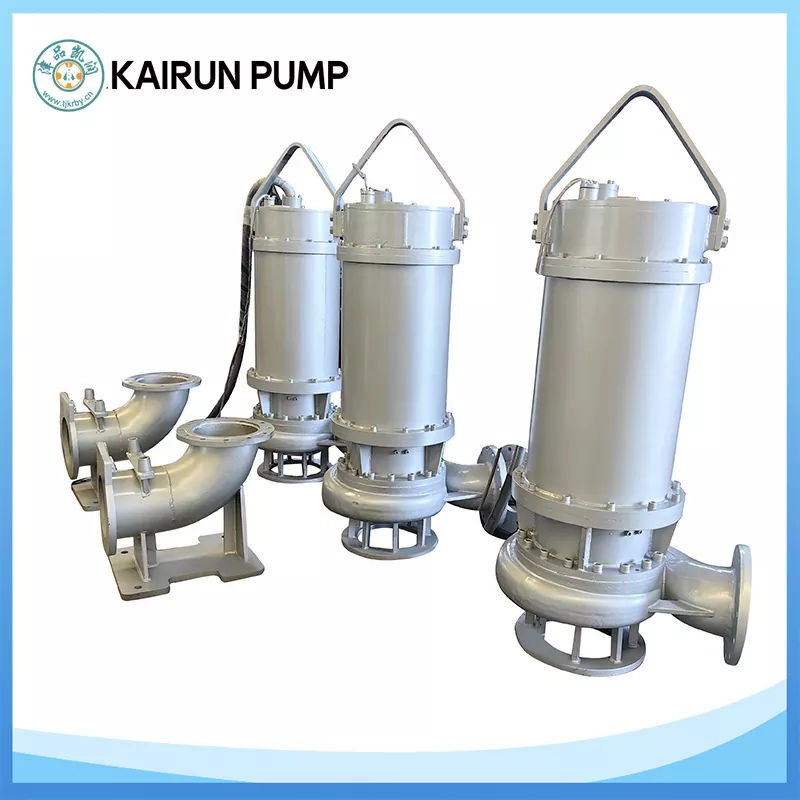
Buyers often compare performance data and overlook another important factor: whether the supplier has the manufacturing depth to support consistent quality, application understanding, and product range. When wastewater projects vary from straightforward building drainage to more demanding municipal or industrial use, supplier capability stops being a background detail and becomes part of risk control.
That is one reason companies such as Tianjin Kairun Pump Industry Co., Ltd. attract attention in this category. Buyers looking at a Submersible Sewage Pump often want more than one standard option. They may need anti-clogging solutions, material choices suited to corrosive environments, or better alignment with specific discharge conditions. A manufacturer with broader product understanding is in a stronger position to support those decisions.
A pump purchase is not just about equipment delivery. It is about reducing operational uncertainty. The stronger the supplier’s product understanding, the easier it becomes to choose with confidence.
FAQ
What is the main purpose of a Submersible Sewage Pump?
Its main purpose is to move wastewater from low-lying collection points to discharge or treatment systems while handling liquids that may contain solids, sludge, or debris.
Which environments commonly use a Submersible Sewage Pump?
It is commonly used in municipal drainage, building sewage lifting systems, basement drainage, industrial wastewater transfer, and other locations where sewage cannot move by gravity alone.
Why does clogging happen so often in poor pump selections?
Clogging usually happens when the impeller design does not match the solids and fibers present in the wastewater, or when the pump is chosen using only flow and power while ignoring the actual medium.
Is stainless steel always better than cast iron?
Not always. Stainless steel can be a strong choice for more corrosive media, but the right decision depends on the liquid composition, wear conditions, and total project budget.
How should buyers compare pump value?
The best comparison includes clog resistance, durability, maintenance demand, installation fit, and operating stability over time, not just the initial quotation.
Conclusion
Choosing a Submersible Sewage Pump is really about choosing fewer interruptions, less manual cleanup, stronger drainage reliability, and better long-term control over operating costs. The right unit should match the wastewater, the installation environment, and the workload it will actually face every day. When buyers focus on anti-clogging performance, structural suitability, durability, and supplier support, they make a far more stable investment.
If you are comparing options for a new project or replacing an unreliable unit, Tianjin Kairun Pump Industry Co., Ltd. is worth closer attention. A better drainage system starts with a better fit, not just a faster quote.
Ready to reduce overflow risk, cut maintenance pressure, and choose a Submersible Sewage Pump with more confidence? If you want help matching the right pump to your working condition, project scale, and wastewater type, contact us today and start the conversation with a team that understands what dependable sewage transfer really requires.
Related News
- Sluice Gate Axial Flow Pumps Gain Attention as Cities Upgrade Flood Control and Drainage Systems
- What Makes Tubular Pump Selection So Critical for High-Flow Water Projects?
- What Makes Vertical Axial Flow Pump the Right Choice for High-Flow Water Projects?
- How Can a Motor Control Center Solve Pump System Downtime and Energy Waste?
- How Can Water Pump Control Valve Prevent Costly Pump System Failures?
- How Can Water Pump Accessories Reduce Pump Downtime?
Leave me a message