
English
- English
- Español
- Português
- русский
- Français
- 日本語
- Deutsch
- tiếng Việt
- Italiano
- Nederlands
- ภาษาไทย
- Polski
- 한국어
- Svenska
- magyar
- Malay
- বাংলা ভাষার
- Dansk
- Suomi
- हिन्दी
- Pilipino
- Türkçe
- Gaeilge
- العربية
- Indonesia
- Norsk
- تمل
- český
- ελληνικά
- український
- Javanese
- فارسی
- தமிழ்
- తెలుగు
- नेपाली
- Burmese
- български
- ລາວ
- Latine
- Қазақша
- Euskal
- Azərbaycan
- Slovenský jazyk
- Македонски
- Lietuvos
- Eesti Keel
- Română
- Slovenski
- मराठी
- Srpski језик

Industry News
 31 2026-08
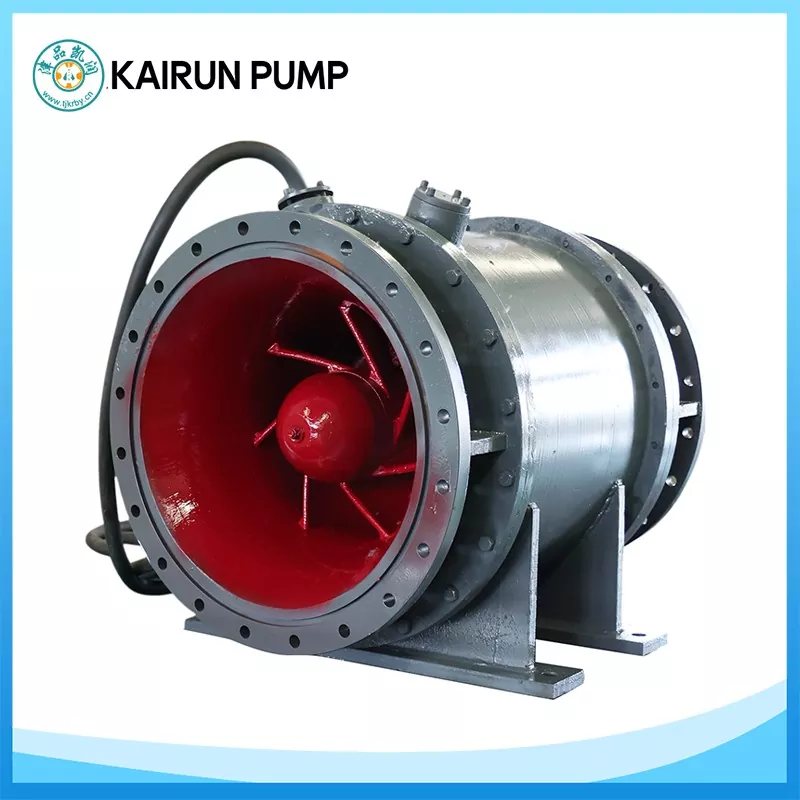
 Sluice Gate Axial Flow Pumps Gain Attention as Cities Upgrade Flood Control and Drainage Systems
Against this background, the Sluice Gate Axial Flow Pump is attracting increasing attention for flood control, river drainage and water transfer projects. By combining the sluice gate and axial flow pumping function into one integrated unit, the equipment provides another option for projects that need both gravity drainage and forced pumping within a limited footprint.
 21 2026-05
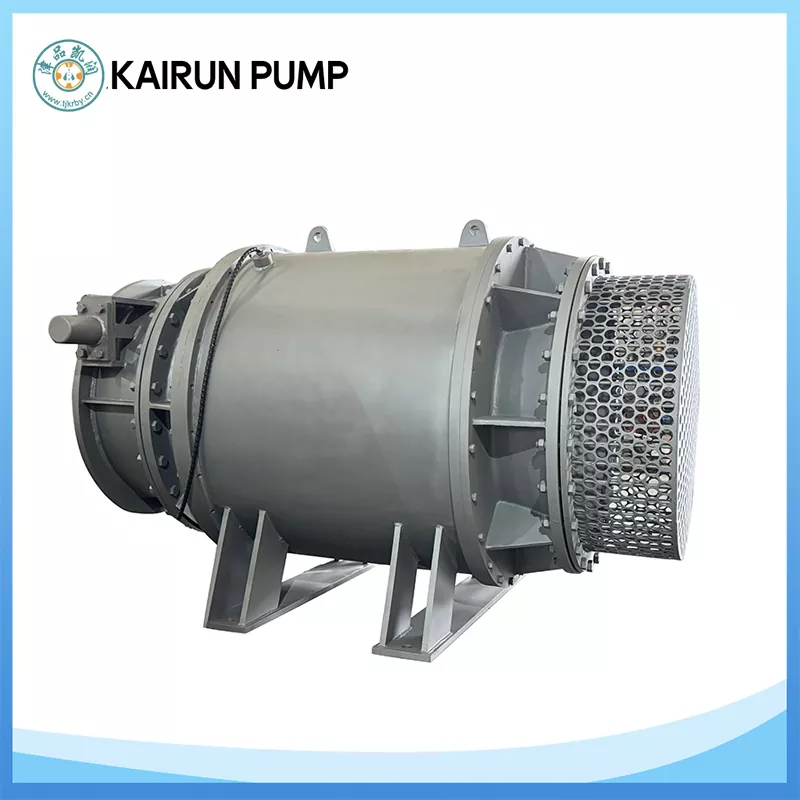
 What Makes Tubular Pump Selection So Critical for High-Flow Water Projects?
A Tubular Pump is often selected when a project needs to move a large volume of water through a low-head system with stable flow, lower hydraulic loss, and a compact pumping station layout.
 15 2026-05
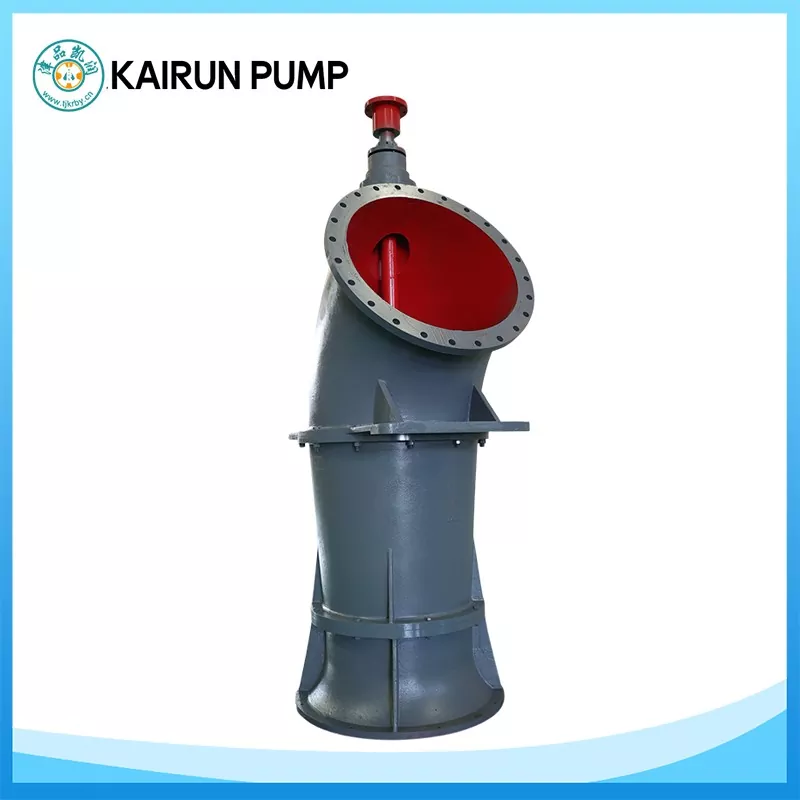
 What Makes Vertical Axial Flow Pump the Right Choice for High-Flow Water Projects?
Large water-transfer projects rarely fail because engineers cannot find a pump. They fail because the selected pump does not match the real working conditions: too much energy loss, unstable operation under changing water levels, difficult maintenance, poor corrosion resistance, or an installation layout that consumes more space than the project can allow.
 14 2026-05
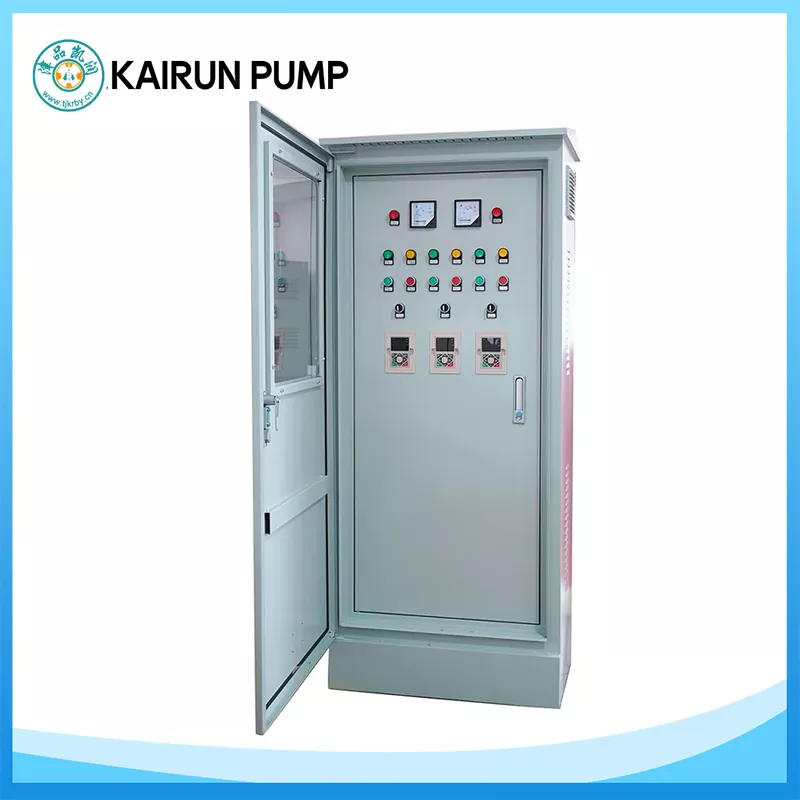
 How Can a Motor Control Center Solve Pump System Downtime and Energy Waste?
A Motor Control Center is more than an electrical cabinet. For pump stations, irrigation systems, municipal drainage projects, industrial water circulation, and mining water management, it can decide whether motors start smoothly, pumps run safely, energy is used wisely, and operators can respond before small faults become expensive shutdowns.
 09 2026-05
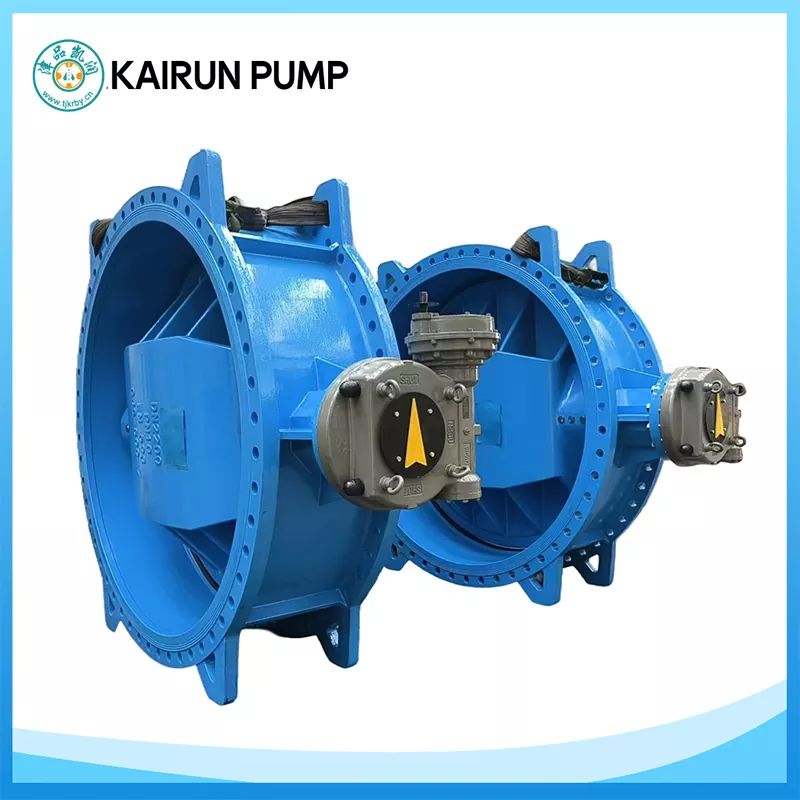
 How Can Water Pump Control Valve Prevent Costly Pump System Failures?
A water pumping system rarely fails because of one dramatic event. More often, problems begin with unstable pressure, poor flow regulation, backflow, water hammer, frequent pump starts, or a valve that cannot respond properly to real operating conditions.
 07 2026-05
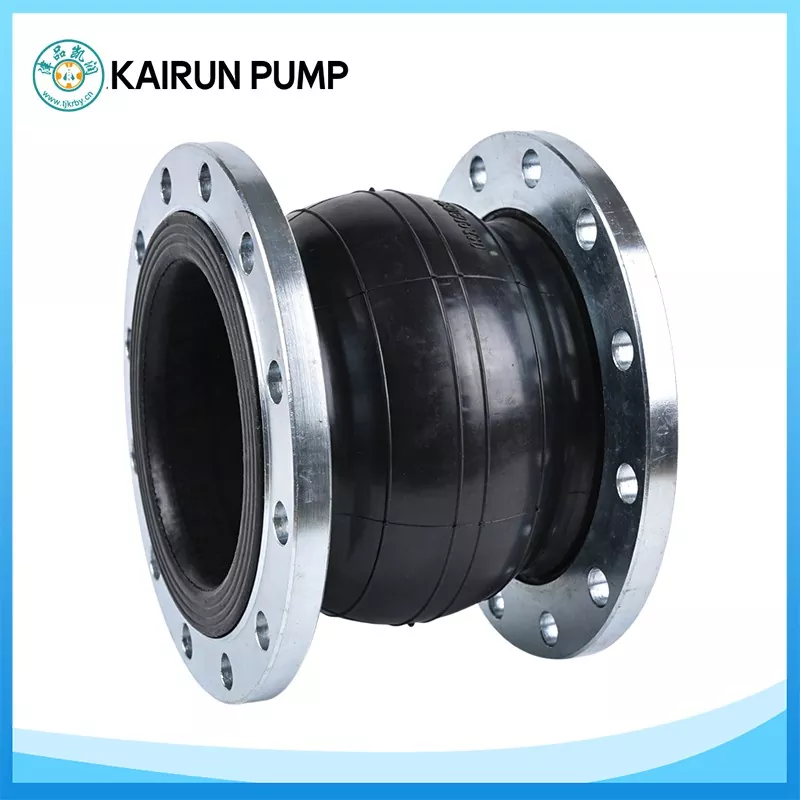
 How Can Water Pump Accessories Reduce Pump Downtime?
In many pumping projects, the pump itself gets most of the attention, while the supporting components are treated as secondary parts. That is a costly mistake.